Upgrading a Property to a Luxury Rental Standard: The 2026 Investor’s Guide
With Switzerland’s national rental vacancy rate hitting a twelve-year low of approximately 1.0%, the competition for elite guests has reached a new level of precision. You’ve likely realized that a prime location in Zermatt or Geneva is merely the starting point. The real challenge lies in upgrading a property to a luxury rental standard that justifies premium rates without over-capitalizing on vanity features. It’s a delicate balance between sophisticated aesthetics and the rigorous operational demands of high-end hospitality in a market projected to grow by 8.22% this year.
We understand the hesitation that comes with significant renovations, especially when managing a Swiss asset from a distance. You’ll discover the precise architectural, technological, and experiential upgrades required to transform a standard residence into a high-yield, premium rental asset. This guide provides a clear roadmap for property elevation. We cover everything from invisible smart home ecosystems to the latest 2026 regulatory requirements, ensuring your transition from a private home to a managed luxury sanctuary is both seamless and profitable.
Key Takeaways
- Master the art of a cohesive design narrative, moving beyond isolated luxury items to create a unified aesthetic that resonates with elite travelers.
- Identify the essential tactile and architectural investments required when upgrading a property to a luxury rental standard to ensure both asset appreciation and guest satisfaction.
- Implement “invisible” smart home integrations, such as multi-zone climate control and seamless connectivity, to meet the sophisticated technological expectations of 2026.
- Learn how to refine your property’s spatial flow to accommodate discreet professional services, including private chefs and meticulous housekeeping, without compromising privacy.
- Explore the logistical advantages of professional property management, focusing on proactive maintenance and data-driven pricing to optimize your asset’s financial performance.
Defining the Luxury Rental Standard in the 2026 Swiss Market
The Swiss market has undergone a profound transformation, where the traditional markers of opulence are being replaced by a more nuanced, holistic definition of quality. When considering the process of Luxury apartment investments, one must recognize that guests no longer view high-speed Wi-Fi or designer finishes as perks; they are the baseline expectation. Upgrading a property to a luxury rental standard in 2026 requires moving away from the “checklist” approach to renovations. Instead, success is found in creating a sanctuary that anticipates a guest’s needs before they even arise.
To better understand the visual and structural journey of a high-end renovation, watch this helpful video:
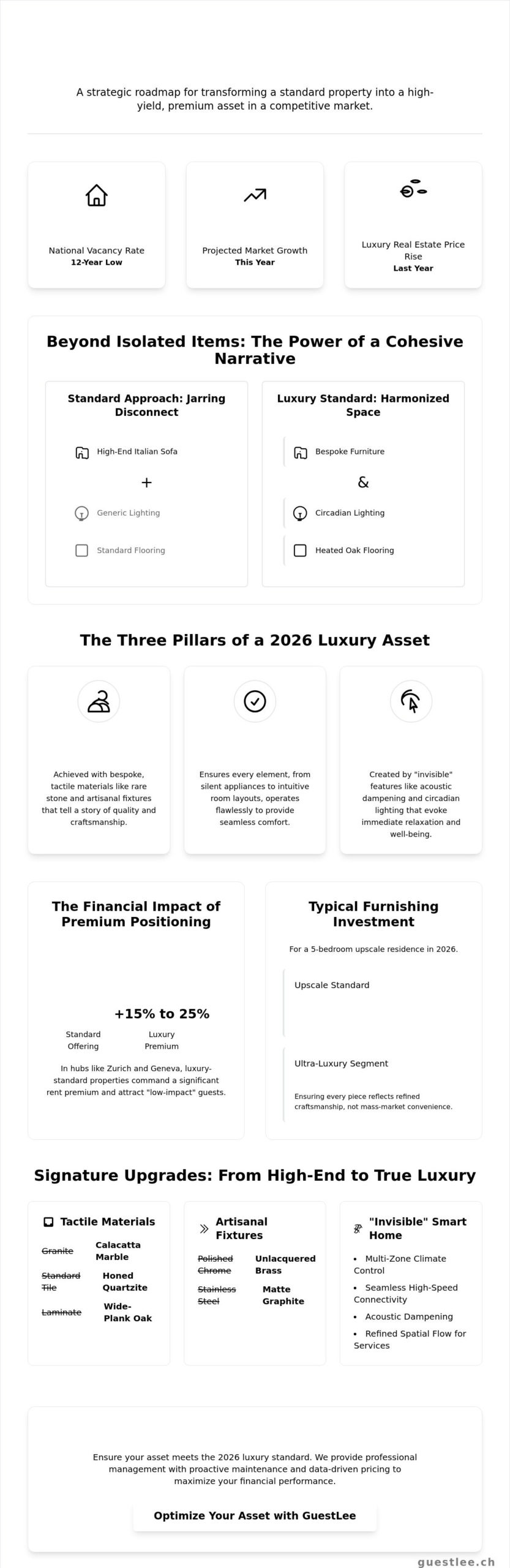
A true luxury standard requires a cohesive design narrative rather than a collection of isolated expensive items. Placing a high-end Italian sofa in a room with standard lighting and generic flooring creates a jarring disconnect that elite travelers notice immediately. In contrast, a professionally curated space harmonizes textures, colors, and light to tell a single story of refined comfort. This holistic strategy is the cornerstone of upgrading a property to a luxury rental standard that commands a premium in a market where luxury real estate prices rose by over 3% last year.
The Three Pillars of a 2026 Luxury Asset
Aesthetic excellence begins with bespoke materials, such as rare stone or artisanal fixtures, that provide a tactile sense of quality. Functional precision ensures that every element, from the silent operation of the dishwasher to the intuitive layout of the dressing room, works flawlessly. Finally, emotional resonance is achieved through “invisible” features like circadian lighting and acoustic dampening. These elements work together to evoke a sense of immediate relaxation the moment a guest enters the home.
The ROI of Premium Positioning
Investing in high-end finishes directly impacts your financial performance. In major hubs like Zurich and Geneva, furnished apartments that meet these rigorous standards can command a 15% to 25% rent premium compared to standard offerings. Beyond the nightly rate, luxury positioning attracts “low-impact” guests who demonstrate a higher level of respect for the property and its contents. Professional property management further secures this investment by maintaining these standards through proactive care. A 2026 luxury rental is a fusion of residential comfort and hotel-grade service.
Signature Interior Upgrades: Elevating Aesthetics and Comfort
True luxury is fundamentally tactile. While standard renovations focus on durability and basic cleanliness, upgrading a property to a luxury rental standard requires an investment in exclusivity and sensory delight. For a five-bedroom upscale residence in the Swiss Alps or along Lake Geneva, a competitive furnishing budget in 2026 typically ranges from $60,000 to $100,000. If you’re targeting the ultra-luxury segment, this investment often exceeds $100,000 to ensure every piece tells a story of refined craftsmanship rather than mass-market convenience.
In the kitchen and primary bathrooms, the transition from “high-end” to “luxury” means moving beyond ubiquitous granite. Discerning guests now expect rare, sustainable stones like Calacatta marble or honed quartzite paired with artisanal fixtures in unlacquered brass or matte graphite. These materials align with the growing global emphasis on Sustainable Tourism, where guests seek out environments that utilize non-toxic, natural elements without sacrificing sophistication. Complement these surfaces with wide-plank European oak flooring and heated natural stone in wet areas to provide a seamless sense of warmth underfoot.
Bespoke furniture is no longer optional for those seeking the highest yields. Mass-market luxury brands have become too recognizable, often diluting the sense of unique discovery that elite travelers crave. Instead, curate your spaces with custom-made pieces and silk-blend rugs that offer a specific texture and quality. If you’re unsure how these choices impact your long-term returns, exploring the standards of successful luxury villa rentals can provide a benchmark for the level of detail required to stand out in a competitive market.
The Master Suite as a Sanctuary
The master suite must function as a private retreat within the home. This involves implementing hospitality-grade bedding standards, including high-thread-count Egyptian cotton, hypoallergenic layers, and a dedicated pillow menu. En-suite transformations should feature oversized rain showers and freestanding soaking tubs that serve as wellness centerpieces. Most importantly, ensure the suite is wrapped in superior acoustic insulation; total silence is perhaps the most undervalued luxury in a premium guest experience.
Lighting Design as a Value Multiplier
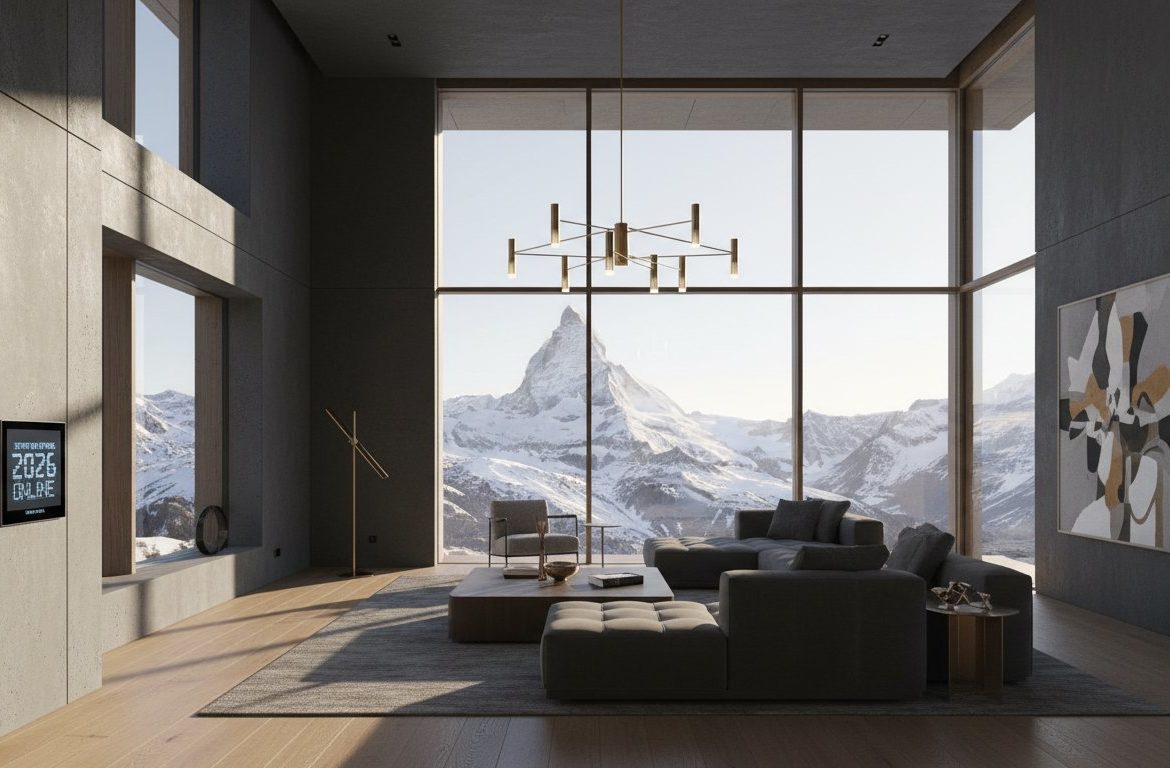
Lighting should never be an afterthought. A sophisticated scheme utilizes layered lighting, combining task, ambient, and accent sources to allow guests complete control over the property’s mood. Maximize natural light through architectural glass or smart shading systems that respond to the sun’s position. Modern systems allow for programmed lighting scenes that can be set to welcome guests automatically with a warm, inviting glow the moment they arrive at the property.
Smart Home Integration and Sustainable Luxury Tech
In the 2026 market, technology shouldn’t demand attention; it should facilitate effortless living. When upgrading a property to a luxury rental standard, the goal is to implement an “invisible” ecosystem that manages the environment without guest intervention. This means moving beyond simple, disconnected gadgets to unified platforms like Yubii OS or ELAN OS. These systems harmonize lighting, multi-zone climate control, and security into a single, intuitive interface that responds to a guest’s presence. By integrating these systems, owners ensure their property remains competitive in a market that rewards technological foresight and operational precision.
Seamless connectivity serves as the backbone of any premium stay. Enterprise-grade mesh Wi-Fi must cover every square meter of the property, including outdoor terraces and subterranean wellness areas. In an era of high-definition streaming and global remote work, a signal drop is more than a nuisance; it’s a failure of hospitality. Guests expect a robust, high-speed network that can handle multiple devices simultaneously without lag, ensuring their digital life remains as frictionless as their physical one.
Sustainability has evolved into a core pillar of high-end asset management. High-efficiency heat pumps and intelligent solar management systems are no longer just ethical choices; they’re essential for modern asset valuation and guest appeal. In 2026, installing universal EV charging stations is a non-negotiable requirement for investors. These features signal a commitment to excellence that resonates with eco-conscious travelers who view environmental stewardship as a status symbol. This alignment of ethics and aesthetics is a hallmark of a truly sophisticated property management strategy.
Security and Privacy Infrastructure
Security must be absolute yet unobtrusive. Smart entry systems allow for secure, keyless check-ins, providing guests with immediate access while maintaining a digital audit trail for the owner. Discreet external monitoring protects the asset without intruding on the guest’s sense of seclusion. For high-profile guests, data privacy is paramount; securing the home’s internal network against breaches is as critical as locking the front door. It’s about creating a fortress that feels like a sanctuary.
Entertainment and Media Excellence
The aesthetic of a luxury home is often compromised by bulky tech. To maintain a clean, sophisticated look, utilize invisible audio systems installed behind walls or within ceilings. These provide immersive sound without visual clutter. Dedicated home cinema zones or high-definition streaming areas should feature integrated acoustics and universal charging hubs. Every workspace within the home must be tech-ready, featuring ergonomic considerations and high-performance peripherals that cater to the modern, mobile elite.
Curating the Guest Journey: Beyond the Physical Property
Upgrading a property to a luxury rental standard involves more than just selecting the right marble or smart home OS. It requires a deep understanding of how the space will be serviced and experienced. Service design is the silent engine of luxury; a property must be as functional for a private chef or a housekeeping team as it is beautiful for the guest. When a layout facilitates discreet service, it preserves the guest’s sense of privacy while maintaining the impeccable standards expected in the Swiss high-end market. This means incorporating secondary prep areas in kitchens and ensuring service entrances are positioned to avoid disrupting social spaces.
For the elite traveler, storage is a significant differentiator. Luxury guests often arrive with substantial luggage for extended stays, particularly in mountain regions where seasonal gear is common. Providing expansive, high-end closet space with integrated lighting and premium hangers is essential. These areas should feel like a boutique showroom rather than a utilitarian cupboard. This attention to the guest’s logistical needs demonstrates a level of foresight that justifies premium nightly rates and encourages repeat bookings from a discerning global clientele.
The first moments after arrival define the entire stay. We call this the “unboxing” of the holiday. By creating a dedicated welcome bar or a beautifully staged “welcome moment” featuring local Swiss products, you anchor the guest in their destination immediately. This physical manifestation of hospitality sets a tone of curated exploration. To ensure your asset consistently delivers these high-touch experiences, our Property Management Services handle every operational detail, from professional staging to guest relations.
Concierge-Ready Amenities
A luxury property must be stocked with essentials that mirror the quality of the architecture. This includes premium linens, locally sourced toiletries, and high-end kitchen staples that exceed standard hotel offerings. A digital concierge tablet provides instant access to local insights, allowing guests to book services or discover hidden gems with a single touch. The transition from a house to a managed experience occurs through these personalized touches that anticipate every desire.
Outdoor Living and Wellness
In 2026, the demand for private wellness features has become a primary driver of occupancy. Transforming terraces or gardens into year-round usable spaces with fire pits and designer heaters extends the living area regardless of the season. High-end guests now expect private wellness facilities such as saunas, hot tubs, or cold plunge pools. When paired with natural landscaping that ensures total seclusion—a design principle seen in world-class destinations like Laurel Haven Estate—these features turn a simple outdoor area into a private sanctuary that commands a significant market premium.
Strategic Management: Maximizing ROI Through Professional Oversight
After the physical transformation of a residence is complete, the focus shifts from construction to preservation and performance. Upgrading a property to a luxury rental standard is a significant capital commitment; protecting that investment requires a proactive rather than reactive maintenance philosophy. In the elite Swiss market, a single malfunctioning smart panel or a minor blemish on a marble surface can diminish the guest experience and trigger negative reviews that impact long-term yield. Professional oversight ensures that the property doesn’t just look perfect on opening day but remains in “as-new” condition through every season of use.
Strategic management also involves navigating the increasingly complex regulatory environment of 2026. With the EU Data Sharing Regulation and the revised Federal Act on Data Protection now in full effect, maintaining high standards from a distance has become more difficult for individual owners. A managed model provides a seamless transition from a private home to a high-performance asset, handling everything from municipal registration numbers to the collection of mandatory tourist taxes in cities like Geneva or Zermatt. This professional distance commands respect and ensures that no detail, however small, is overlooked.
Professional Asset Protection
High-end materials such as honed quartzite, artisanal brass, and silk-blend rugs require specialized cleaning protocols to prevent premature degradation. Regular property audits are essential to verify that every finish and appliance meets the rigorous standards expected by high-net-worth individuals. By partnering with GuestLee property management services, owners benefit from a meticulous care regimen that handles the complexities behind the scenes. This proactive approach manages the “wear and tear” of luxury living, ensuring the residence remains a trustworthy guardian of both property value and the guest experience.
Yield Optimization in the Luxury Tier
Maximizing financial performance in 2026 goes beyond simple occupancy. While the luxury rental market is projected to see 8.22% growth this year, capturing this demand requires sophisticated dynamic pricing models that respond to seasonal shifts and local events. We bridge the gap between the property owner and the discerning global traveler by leveraging professional photography and storytelling that resonates with a global audience. While net rental yields for luxury assets typically range between 1.5% and 2.5%, achieving the upper end of this bracket requires the precision and efficiency that only elite management can provide. Discover how GuestLee can elevate your property to its full potential and ensure your asset thrives in the competitive Swiss landscape.
Securing Your Legacy in the Swiss Luxury Market
Transforming a residence into a premier asset requires a delicate fusion of architectural precision and intuitive hospitality. Success in 2026 depends on the seamless integration of “invisible” technology and bespoke tactile quality. By focusing on a cohesive design narrative, you ensure your property stands apart in a competitive landscape. This process of upgrading a property to a luxury rental standard doesn’t just elevate the guest experience; it protects your long-term valuation while attracting elite travelers who respect the integrity of your home.
We provide the professional oversight necessary to bridge the gap between a renovated house and a high-yield managed asset. With our deep expertise in the Swiss luxury market and a proven track record of maximizing yield for premium properties, we offer bespoke property management tailored to high-end assets. We handle every complexity behind the scenes so you can enjoy the rewards of a perfectly maintained investment. Partner with GuestLee to transform and manage your luxury rental asset and step into the future of refined Swiss hospitality with confidence.
Frequently Asked Questions
Is it worth upgrading my property to a luxury standard if I only rent it out occasionally?
Yes, because upgrading a property to a luxury rental standard is a strategic move that significantly enhances the residence’s long-term resale value and prevents aesthetic obsolescence. Premium finishes and integrated technology ensure the asset remains competitive in the Swiss market even during periods of low activity. High-end guests pay a substantial premium for curated environments, allowing owners to achieve their annual revenue goals with fewer booking days and less overall wear on the home.
What are the most requested luxury amenities for Swiss rentals in 2026?
In 2026, the most requested features include universal EV charging stations, private wellness installations like cold plunge pools, and “invisible” smart home ecosystems. Guests prioritize sustainability and wellness as much as traditional comfort. Features such as circadian rhythm lighting and high-performance air filtration systems have moved from niche additions to essential requirements for the elite traveler seeking a holistic stay in the Swiss Alps or lakeside cities.
How much should I budget for a luxury rental property renovation?
For a five-bedroom upscale residence, a competitive furnishing and interior upgrade budget in 2026 ranges from $60,000 to $100,000. Ultra-luxury properties often require investments exceeding $100,000 to meet the expectations of high-net-worth individuals. This budget should prioritize rare materials, bespoke furniture, and enterprise-grade technological infrastructure to ensure the property justifies its premium nightly rates and provides a seamless guest experience from arrival to departure.
Can a standard apartment really be upgraded to compete with luxury villas?
A standard apartment can certainly compete with luxury villas by focusing on high-density luxury and superior location-based services. In urban centers like Zurich or Geneva, a meticulously renovated apartment can command a 15% to 25% rent premium over standard units. Success depends on maximizing the luxury experience through exceptional interior design, high-end acoustic insulation, and access to curated concierge services that mirror the privacy and exclusivity of a detached villa.
What is the difference between high-quality and luxury standard in rental properties?
The primary difference lies in the move from generic durability to a bespoke, experiential narrative. High-quality properties focus on robust materials and functional layouts, while upgrading a property to a luxury rental standard incorporates artisanal fixtures, rare stones, and predictive technology. Luxury is defined by the “invisible” elements: the effortless flow of service, the silence of the master suite, and the personalized welcome that makes a guest feel the home was designed specifically for them.
How do I ensure my high-end appliances are easy for guests to use?
Ensure ease of use by utilizing unified smart home operating systems that consolidate all functions into a single, intuitive wall panel or digital tablet. Avoid requiring guests to download multiple apps for lighting or climate control. Providing a clear, professionally designed digital guide through a concierge tablet allows guests to master high-end appliances instantly, ensuring their stay remains frictionless and the home’s sophisticated systems are used correctly and safely.
Does luxury status actually protect my property from damage?
Luxury status naturally protects your property by attracting a more discerning, “low-impact” guest profile who demonstrates a higher level of respect for the environment. These guests are often vetted through sophisticated “Know Your Customer” (KYC) frameworks similar to those used in Swiss private banking. When a property is maintained to an impeccable standard, guests are subconsciously encouraged to maintain that same level of care during their stay, reducing the likelihood of accidental damage.
How often should a luxury rental property be refreshed or renovated?
To maintain a premium position, soft goods and decorative elements should be refreshed every three to five years. Major technological systems and primary architectural features typically require a more substantial overhaul every seven to ten years to keep pace with evolving market standards. Regular property audits ensure that minor wear is addressed proactively, preventing the gradual decline in quality that can compromise your luxury classification and nightly rate potential.

Article by
Giacomo Esposito