
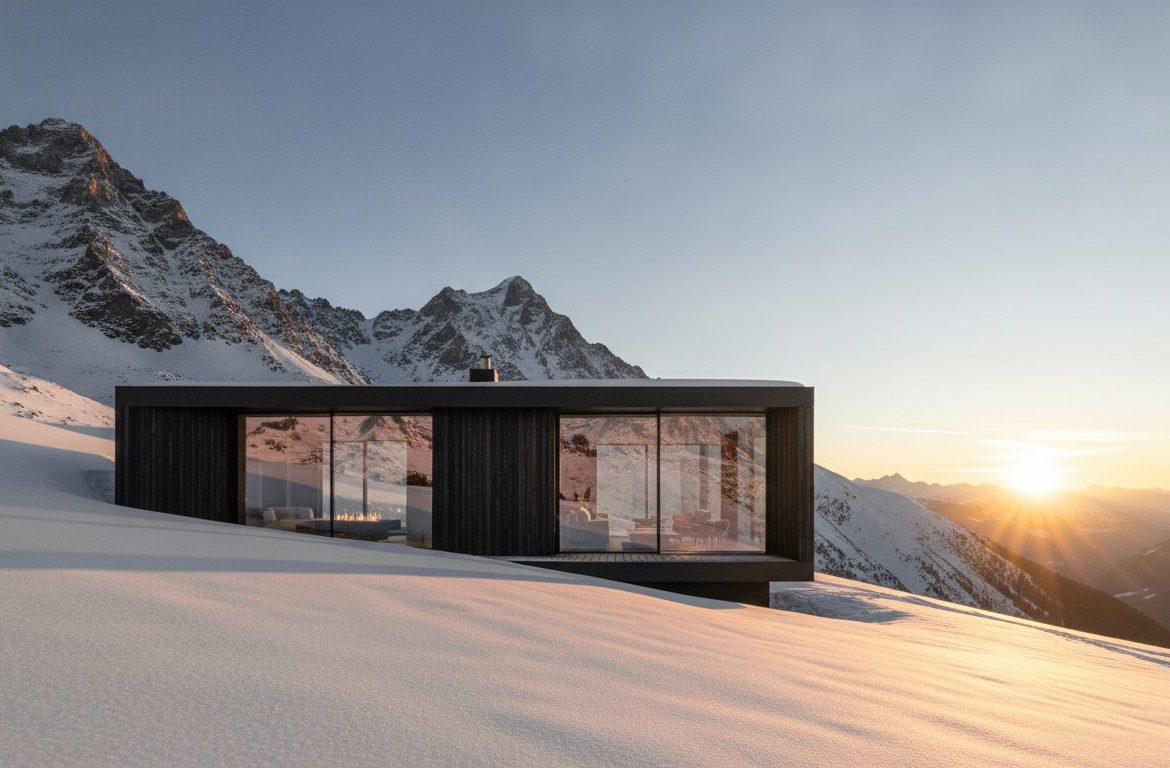
Buying a Chalet in the Swiss Alps: The 2026 Investor’s Guide to Luxury Property
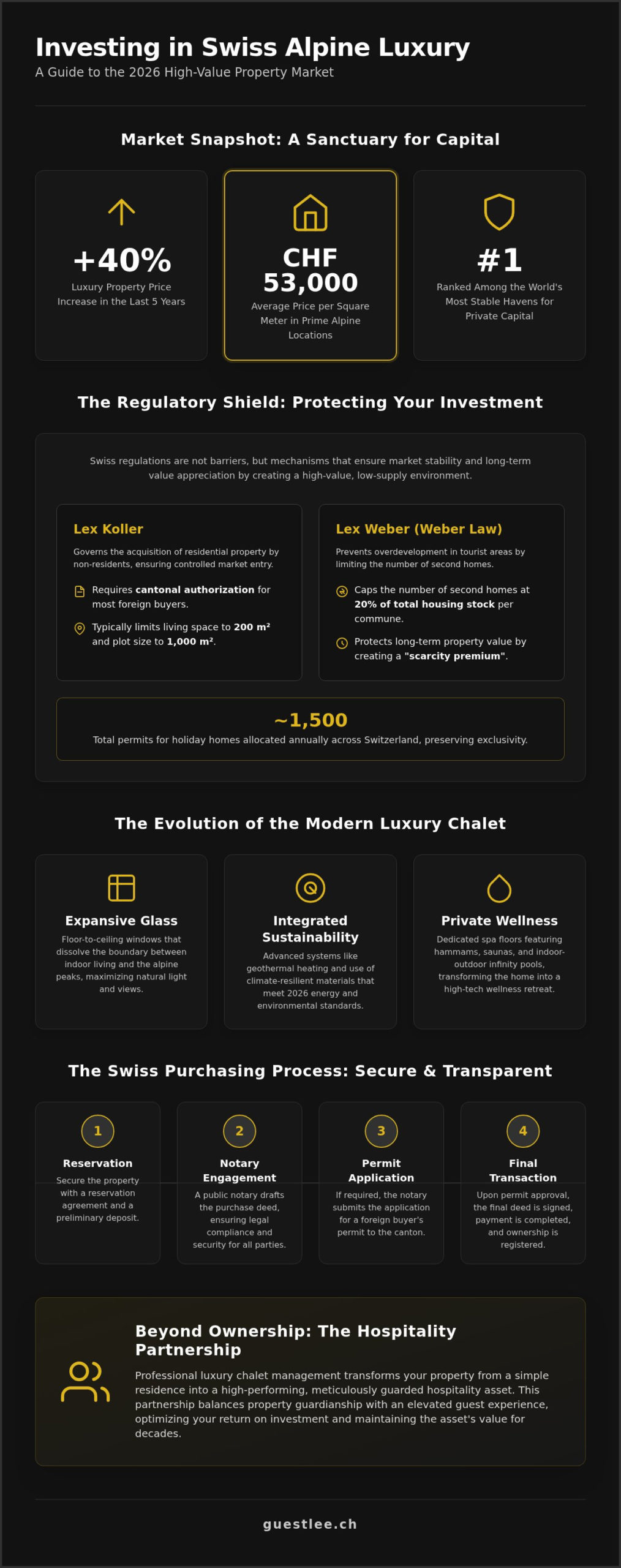
Did you know that luxury properties across Switzerland’s elite mountain locations are now 40% more expensive than they were just five years ago? With prime alpine locations reaching average prices of CHF 53,000 per square meter, the Swiss Alps remain the world’s most stable sanctuary for private capital. You likely recognize that a chalet is far more than a seasonal retreat; it’s a sophisticated hospitality asset that requires precise guardianship. Yet, the intricate web of Lex Koller permits and Lex Weber second-home caps often creates a sense of hesitation for even the most seasoned international investors.
We understand that your goal is a seamless entry into the Swiss market without the burden of administrative complexity. This 2026 guide offers a clear roadmap through the current legal and financial landscape, ensuring your purchase remains fully compliant and high-performing. We’ll examine the nuances of cantonal tax structures, the impact of the 1,500 annual foreign buyer permits, and how professional luxury chalet rental management switzerland transforms a remote residence into a meticulously guarded investment. You’ll gain the confidence to secure your piece of the Alps and a concrete plan to maintain its excellence for decades to come.
Key Takeaways
- Understand why Swiss alpine property remains a premier safe-haven asset, with luxury valuations having increased by an average of 40% over the last five years.
- Navigate the complexities of Lex Koller permits and Lex Weber second-home caps to ensure your acquisition is legally sound and fully compliant with 2026 regulations.
- Learn how professional luxury chalet rental management switzerland optimizes your ROI by treating your property as a high-end hospitality asset rather than just a residence.
- Master the Swiss purchasing timeline and the essential role of the public notary in facilitating a secure, transparent transaction for international buyers.
- Discover the benefits of a long-term hospitality partnership that balances meticulous property guardianship with an elevated guest experience for maximum asset performance.
The Landscape of Luxury Real Estate in the Swiss Alps
The Swiss Alps represent a premier destination for private capital, offering a level of stability that few other global markets can match. Luxury property prices across the region’s most exclusive enclaves have climbed 23% over the past five years, reinforcing the mountains’ status as a resilient sanctuary. This growth isn’t accidental; it’s the result of a meticulously regulated market that prioritizes quality and long-term value over rapid, unsustainable expansion. As we move through 2026, the transition of alpine resorts from seasonal ski spots to year-round lifestyle hubs has further solidified their appeal to high-net-worth investors.
To better understand the standard of high-end alpine living and the potential of these assets, watch this helpful video:
Stability and Growth in the Alpine Market
High-end Swiss real estate has historically acted as a hedge against economic volatility. By 2026, the scarcity of available inventory has become a defining market driver. With the Lex Koller governing foreign acquisition and the Weber Law capping second homes at 20% of housing stock, the entry barrier is high, but the rewards are enduring. The federal government allocates roughly 1,500 permits annually for holiday homes, a limit that maintains a “scarcity premium” for existing chalets. Owners who partner with luxury chalet rental management switzerland find that these regulatory constraints actually protect their investment’s long-term performance by preventing oversupply and ensuring that national standards of excellence remain the global gold standard for service and property value.
The Definition of a Modern Luxury Chalet
The traditional wooden cabin has evolved into a sophisticated architectural marvel where precision meets sustainable luxury. Today’s investors seek properties that function as high-tech wellness retreats, moving away from simple seasonal use toward a permanent lifestyle choice. Modern alpine architecture now prioritizes several key features:
- Expansive glass: Floor-to-ceiling walls that dissolve the boundary between the living space and the surrounding peaks.
- Sustainability: Integrated geothermal heating and climate-resilient materials that align with 2026 energy standards.
- Private Wellness: Dedicated spa floors featuring hammams, saunas, and indoor-outdoor infinity pools.
A hospitality-ready chalet must feature bespoke, high-end finishes that withstand the rigors of frequent use while providing the tactile comfort of a five-star hotel suite. This shift toward properties that offer seamless indoor-outdoor living year-round reflects the changing desires of the modern traveler, who views the Alps as a destination for both winter sports and summer rejuvenation.
Navigating Swiss Property Regulations: Lex Koller and the Weber Law
The regulatory framework in Switzerland is often perceived as a labyrinth; however, it functions as a protective shield for your capital. For the discerning investor, understanding the Lex Koller and Lex Weber laws is the first step toward a secure acquisition. These regulations don’t just restrict; they curate a market of high-value, low-supply assets that maintain their prestige over generations. By limiting the volume of property available to international buyers, Switzerland ensures that every transaction contributes to a stable and appreciating environment.
Understanding Foreign Ownership Restrictions
Lex Koller governs how non-residents acquire residential property. If you’re a foreign national without a Swiss C-permit, you’ll likely need a cantonal authorization to proceed. The Swiss federal government maintains a strict quota, allocating roughly 1,500 permits annually for holiday homes across the country. These authorizations typically limit the living space to 200 square meters and the plot size to 1,000 square meters. The process moves from an initial offer to federal approval, a timeline that requires meticulous attention to regional standards of accuracy. Exceptions exist for commercial real estate, which can often be purchased without a permit, providing a different avenue for diversified portfolios.
The Impact of the 20% Second-Home Cap
The Lex Weber has fundamentally altered the inventory landscape by capping second homes at 20% of the total housing stock in any municipality. In 2026, this has led to a market dominated by the resale of existing properties rather than new construction. This scarcity is a key driver of long-term value. As highlighted in Knight Frank’s Alpine Property Report, these supply constraints ensure that Swiss chalets remain a resilient asset class even during global economic shifts. The lack of new inventory means that existing chalets now command a significant scarcity premium.
Properties categorized as ‘pre-Weber’ often enjoy unrestricted rental potential, making them the gold standard for those seeking high-yield assets. Navigating the distinction between a ‘Zweitwohnsitz’ (second home) and a primary residence is critical for tax and legal compliance. Selecting the right property requires a partner who understands these regional nuances. Our team at GuestLee specializes in identifying these premier opportunities, ensuring your purchase is future-proofed against further regulatory changes. Professional luxury chalet rental management switzerland begins with this legal foundation, transforming a complex regulatory environment into a seamless ownership experience that satisfies both the heart and the mind.
Evaluating ROI: Lifestyle Asset vs. Managed Investment
A Swiss chalet is rarely just a line item on a balance sheet; it’s a legacy asset that balances personal sanctuary with financial performance. For the modern owner, the transition from a private retreat to a managed investment is a strategic choice that preserves the property’s soul while optimizing its market value. Professional luxury chalet rental management switzerland does more than fill calendar dates. It ensures that every aspect of the residence, from the complex technical plant to the fine linens, is maintained to a standard that commands premium positioning. This meticulous guardianship transforms a secondary home into a high-performing hospitality asset that satisfies both the heart and the mind.
Calculating Potential Rental Yields
The traditional winter peak remains the primary driver of income, yet the burgeoning summer season is narrowing the gap. High-altitude regions now attract a sophisticated summer clientele seeking wellness, temperate climates, and curated exploration. By implementing the ‘GuestLee Effect’, which infuses private homes with five-star hospitality standards and personalized concierge services, owners can significantly increase their nightly rates compared to unmanaged properties. While specific returns depend on cantonal regulations and owner usage, well-positioned luxury chalets in 2026 often target gross rental yields in the range of 3% to 5% when managed as premier hospitality assets. This performance is driven by a steady, year-round demand for high-end accommodations that offer more privacy than a traditional hotel.
The True Cost of Ownership
Owning a remote luxury asset in an extreme alpine climate necessitates a proactive approach to maintenance. Heavy snowfall and significant temperature fluctuations require specialized care for facades, roofing, and geothermal heating systems to prevent long-term depreciation. Beyond physical upkeep, owners must navigate Swiss wealth taxes and cantonal property taxes, which vary significantly across the country. For example, some cantons levy an annual property tax ranging from 0.02% to 0.3% of the assessed value, while others like Zurich have no direct annual property tax. Adopting a ‘warm bed’ strategy, where the property is regularly occupied by high-end guests, helps offset these carrying costs. This approach keeps the home operational and vibrant, ensuring that the staff and systems remain at peak performance for when you return for your own personal use. By partnering with GuestLee, you ensure that these complexities are handled behind the scenes, allowing you to enjoy the rewards of ownership without the logistical burden.
The Purchasing Process: A Step-by-Step Guide
The acquisition of an alpine residence is a journey defined by Swiss precision and legal certainty. It begins with a curated search but quickly moves into a highly structured transaction overseen by a public notary. Unlike in many other jurisdictions, the Swiss notary acts as an impartial public officer representing the integrity of the transaction itself rather than a single party. This ensures that every document, from the initial deed to the final registration, meets the meticulous national standards of accuracy. For the international investor, this process provides a sense of security that is the gold standard for global real estate.
From Reservation to the Public Deed
Once you’ve identified a property that meets your criteria, the first formal step is the reservation agreement. This document, accompanied by a deposit held in a secure escrow account, signals your commitment and removes the chalet from the market. During this period, essential due diligence is conducted. This includes structural surveys and a thorough review of the Grundbuch (Land Register) to identify any easements, rights of way, or specific local restrictions that might affect the property. The process culminates in a formal signing ceremony at the Notary’s office. If you aren’t able to attend in person, a power of attorney can be arranged to ensure the timeline remains on track.
Financing and Legal Fees
Securing financing in 2026 requires a clear understanding of cantonal banking standards. While Swiss residents often access higher leverage, non-resident investors typically find Loan-to-Value (LTV) ratios between 60% and 70% from major cantonal banks. Budgeting for closing costs is equally vital. These include property transfer taxes, which vary significantly by location; for instance, the canton of Zurich charges 0% while Vaud charges 3.3%. You should also account for notary fees and land registry charges, which generally total between 0.2% and 0.5% of the purchase price. The final registration in the official Land Register provides the ultimate guarantee of your title, completing your transition to owner.
If you’re ready to begin this journey, our team provides expert Real Estate Sales support to help you identify and acquire premier alpine assets. By integrating your purchase with professional luxury chalet rental management switzerland from the moment of handover, you ensure that your new residence is immediately positioned as a high-performing, well-guarded investment. This seamless transition allows you to focus on the rewards of ownership while we handle the complexities of the Swiss market behind the scenes.
GuestLee: Elevating Luxury Chalet Rental Management in Switzerland
While many firms focus solely on the transaction, the true value of a Swiss asset is realized in its ongoing guardianship. GuestLee bridges the vital gap between real estate acquisition and high-end hospitality. We don’t just facilitate sales; we act as the trustworthy guardian of your property’s value. By treating your private home as a world-class vacation destination, we ensure that the meticulous regional standards of accuracy you expected during the purchase are maintained throughout your ownership. This national partnership provides a refined standard of service that allows owners to prioritize both discretion and financial performance. Our role is to handle every complexity behind the scenes so you don’t have to.
Comprehensive Property Management Services
Owning a remote luxury asset requires more than occasional check-ins. Our approach centers on preventative maintenance and year-round security to protect your alpine investment from the harsh mountain environment. We curate customized management plans that handle everything from technical plant inspections to seasonal preparation. Beyond physical care, we position your property before an exclusive global audience of affluent travelers. This strategic marketing ensures your chalet is not just a residence, but a sought-after destination for those seeking the gold standard of alpine living. To understand how we protect your asset, learn more about our property management services Switzerland.
The Luxury Concierge Standard
The guest experience is the engine that drives your property’s ROI. We provide an effortless stay that mirrors the precision of a five-star hotel, from bespoke arrivals to personalized concierge services. This high-touch approach encourages repeat bookings and justifies the premium nightly rates discussed in earlier sections. For the owner, we provide absolute financial transparency. You receive detailed reporting that tracks your asset’s performance, allowing you to monitor growth with quiet confidence. Our dual-focus narrative ensures that while guests enjoy a curated exploration, your financial interests are meticulously guarded. Professional luxury chalet rental management switzerland requires this delicate balance between guest comfort and owner performance.
Explore the standard we set through our luxury villa rentals Switzerland. By choosing a partner that understands both the investor’s needs and the traveler’s desires, you secure a legacy that satisfies both the heart and the mind. We invite you to experience a partnership where no detail is too small to be overlooked, ensuring your Swiss residence remains a premier asset for decades to come.
Securing Your Alpine Legacy
Acquiring a luxury chalet in the Swiss Alps is a definitive statement of financial foresight and personal aspiration. Success in this market relies on navigating the precision of Lex Koller permits and the inherent scarcity created by Weber Law inventory. These regulations protect the long-term value of your asset, ensuring it remains part of an exclusive and stable market. By mastering the step-by-step purchasing process and respecting the impartial role of the Swiss notary, you establish a foundation for a transaction that is as secure as it is sophisticated.
The true potential of your investment is realized after the keys are handed over. Professional luxury chalet rental management switzerland transforms a remote property into a high-performing hospitality asset that balances your personal sanctuary with consistent performance. Since 2016, GuestLee has provided the meticulous guardianship required to maintain national standards of excellence. We offer full-spectrum real estate and hospitality services, ensuring your residence remains a compliant and cherished retreat. We handle the logistical complexities so you don’t have to. Begin your Swiss property journey with GuestLee and experience the peace of mind that comes with a dedicated regional partner. Your piece of the Alps is waiting to be discovered.
Frequently Asked Questions
Can a foreigner buy a chalet in the Swiss Alps without a residency permit?
Yes, non-residents can purchase a chalet, but they must obtain a cantonal authorization under the Lex Koller regulations. This permit is typically granted for holiday homes located within designated tourist zones. The property is generally limited to 200 square meters of living area and 1,000 square meters of land. There’s an annual national quota of approximately 1,500 permits, ensuring the market remains exclusive and protected from over-development.
What is the minimum deposit required for a Swiss property purchase?
A minimum equity deposit of 20% is standard for Swiss residents, while non-resident investors are typically required to provide between 30% and 40%. This deposit must be paid in Swiss Francs (CHF) and is held by the notary in a secure escrow account during the transaction. This high equity requirement contributes to the exceptional stability of the Swiss real estate market, protecting both the lender and the owner from market volatility.
How does the Weber Law affect the resale value of alpine chalets?
The Weber Law increases the resale value of existing chalets by capping new second-home construction at 20% of a municipality’s total housing stock. Because new inventory is strictly limited, properties that already hold “second-home” status command a significant scarcity premium. Investors prioritize these “pre-Weber” homes because they offer immediate flexibility for personal use or rental, making them highly liquid assets in a market where supply cannot easily expand.
Are there restrictions on how many weeks I can rent out my Swiss property?
Most cantons don’t impose a specific limit on the number of weeks a holiday home can be rented, provided it remains available for the owner’s use. However, some municipalities have local regulations or “warm bed” initiatives that encourage active rental use to support the regional tourism economy. Professional luxury chalet rental management switzerland ensures that your rental activity stays compliant with these regional nuances while maximizing your property’s occupancy and seasonal yield.
What are the annual taxes for owning a luxury chalet in Switzerland?
Annual ownership costs include cantonal property taxes, wealth tax, and income tax on the property’s rental value. Property tax rates vary by canton, typically ranging from 0.02% to 0.3% of the assessed value, though some cantons like Zurich don’t levy a direct annual property tax. You should also account for the “imputed rental value” tax, which is scheduled for abolishment for primary residences starting January 1, 2029, according to recent federal decisions.
Can I buy a chalet through a company or offshore structure?
Purchasing residential property through a company is generally restricted for non-residents under Lex Koller to prevent anonymous ownership of the housing stock. Swiss authorities typically require the ultimate beneficial owner to be a physical person rather than a corporate entity for residential acquisitions. While commercial real estate offers more flexibility for corporate structures, residential chalets intended for holiday use almost always require the title to be held in an individual’s name for legal compliance.
Is it possible to get a mortgage from a Swiss bank as a non-resident?
Yes, Swiss cantonal and national banks frequently provide mortgages to non-resident investors, typically covering up to 60% or 70% of the property’s appraised value. Lenders will require proof of global income and a thorough valuation of the asset by a recognized local expert. Interest rates in Switzerland remain some of the most competitive globally, though they’re strictly tied to the Swiss Franc (CHF), which helps maintain the long-term financial stability of your investment.
How does luxury chalet rental management in Switzerland improve ROI?
Professional management improves ROI by positioning your property as a high-end hospitality asset that commands premium nightly rates. By implementing five-star service standards and sophisticated global marketing, luxury chalet rental management switzerland increases occupancy during the burgeoning summer and autumn seasons. This proactive approach covers your carrying costs and wealth taxes while ensuring the property is maintained to a standard that supports long-term capital appreciation and meticulous asset preservation.

Article by
Giacomo Esposito