Top Summer Activities in Switzerland for 2026
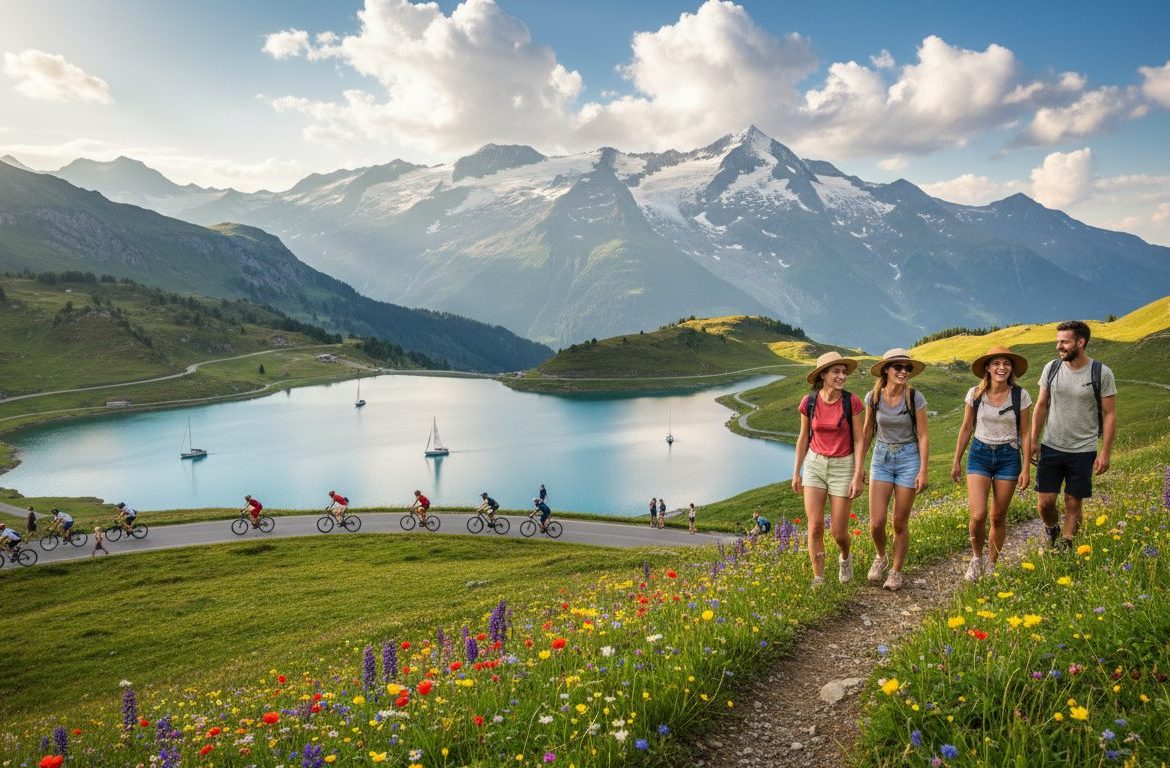
Planning your trip to Switzerland has never been more exciting. The Alpine wonderland transforms into an outdoor paradise when warm weather arrives, offering countless ways to explore its stunning landscapes. From snow-capped peaks to crystal-clear lakes, every corner of this magnificent country invites adventure.
When you visit Switzerland during the warmer months, you’ll discover why it’s considered one of Europe’s premier destinations. The country seamlessly blends natural beauty with cultural richness, creating unforgettable experiences for every traveler.
Activities in Switzerland range from adrenaline-pumping adventures to peaceful cultural explorations. Whether you’re hiking through wildflower meadows, attending world-renowned festivals, or simply soaking in breathtaking mountain scenery, your summer getaway will be filled with memorable moments.
This guide walks you through the most rewarding summer activities awaiting you in Switzerland 2026. Get ready to craft your perfect Alpine adventure.
Key Takeaways
- Switzerland offers diverse outdoor adventures from hiking and paragliding to water sports on pristine Alpine lakes
- Cultural experiences include world-class festivals, charming medieval towns, and authentic Swiss traditions
- The 2026 season provides ideal weather conditions for exploring both mountain regions and lakeside destinations
- Activities suit all traveler types, from thrill-seekers to families and culture enthusiasts
- Advance planning helps maximize your Swiss experience with proper itinerary preparation
- The combination of natural beauty and excellent infrastructure makes Switzerland perfect for summer travel
Best Things to Do in Summer in Switzerland in 2026: An Overview
Summer in Switzerland delivers a spectacular combination of natural beauty and adventure opportunities that make it one of Europe’s premier warm-weather destinations. Whether you’re drawn to towering mountain peaks, sparkling lakes, or charming historic towns, this Alpine nation offers something special for every type of traveler. The summer months unlock access to high-altitude trails, scenic railway routes, and countless outdoor activities that simply aren’t possible during other seasons.
Planning your trip for 2026 means you’ll enjoy ideal conditions for exploring Switzerland at its finest. From the moment you arrive, you’ll discover why millions of visitors choose this destination year after year for unforgettable vacation experiences.
Why Summer 2026 is the Perfect Time to Visit Switzerland
The summer of 2026 presents exceptional advantages for travelers looking to experience Switzerland fully. All mountain passes will be open and accessible, giving you complete freedom to explore the Swiss Alps without weather restrictions. Cable cars and mountain railways operate on extended schedules, meaning you can maximize your daylight hours for sightseeing and adventure.
Special events throughout the country add extra excitement to your visit. Major festivals, sporting events, and cultural celebrations take place across different regions. The Montreux Jazz Festival attracts world-class musicians, while traditional Alpine celebrations showcase authentic Swiss culture in mountain villages.
The natural landscape reaches peak beauty during these months. Alpine meadows burst with colorful wildflowers, creating stunning backdrops for hiking and photography. Lakes warm up enough for swimming and water sports, offering refreshing breaks from mountain adventures.
Tour operators and accommodations gear up for peak season with expanded services and offerings. You’ll find more guided tours, activity options, and dining experiences available compared to shoulder seasons. This infrastructure makes exploring Switzerland easier and more comfortable for international visitors.
What to Expect: Weather, Crowds, and Planning Tips
Understanding what to expect helps you plan the perfect Swiss summer adventure. Weather conditions vary significantly across different regions and elevations. Lakeside areas around Geneva, Zurich, and Lucerne typically enjoy warm temperatures ranging from 70-80°F (21-27°C), perfect for outdoor activities and waterfront relaxation.
Higher elevations stay cooler and more comfortable. Mountain peaks often remain chilly even in July and August, so pack layers regardless of when you visit. Afternoon thunderstorms can develop quickly in the Alps, particularly during July. Always check local forecasts before heading out for the day.
Crowd levels peak during July and August when European school holidays bring families to popular destinations in Switzerland. If you prefer fewer tourists, consider visiting in June or early September. These months still offer excellent weather while providing more space at major attractions.
Smart planning strategies make a big difference in your experience:
- Book accommodations and popular activities at least 3-4 months in advance
- Purchase Swiss Travel Passes early for unlimited train, bus, and boat transportation
- Start mountain excursions early morning to avoid afternoon crowds and weather changes
- Reserve mountain railway tickets online to skip long ticket office lines
- Budget approximately $150-250 per person daily for mid-range travel expenses
Transportation planning deserves special attention. The Swiss rail system connects virtually every destination efficiently, making car rentals unnecessary for most visitors. The Swiss Travel Pass provides unlimited access to public transportation plus discounts on mountain railways and cable cars.
Consider accommodation location carefully when exploring Switzerland. Staying in central hubs like Interlaken, Lucerne, or Montreux gives you easy access to multiple regions. Smaller mountain villages offer more authentic experiences but may require extra travel time to reach major attractions.
Budget thoughtfully for your trip. Switzerland ranks among Europe’s most expensive countries, but smart choices help control costs. Shop at grocery stores for picnic supplies, use public transportation, and book combination tickets for multiple attractions. These unique experiences in the Swiss Alps justify the investment with memories that last a lifetime.
Hiking Trails in the Swiss Alps
Lace up your hiking boots and prepare to discover why the Swiss Alps remain one of Europe’s premier hiking destinations, with trails that showcase nature’s grandeur in unforgettable ways. The summer season brings perfect conditions for exploring mountain paths that wind through valleys, climb to stunning viewpoints, and connect charming Alpine villages. Whether you’re seeking gentle walks through wildflower meadows or challenging climbs to glacier viewpoints, the Swiss Alps deliver experiences that match every skill level and interest.
The diversity of hiking in the Swiss Alps is truly remarkable. You’ll find everything from family-friendly paths with minimal elevation gain to demanding routes that test experienced trekkers. Most trails are exceptionally well-maintained, with clear signage in multiple languages and accurate time estimates posted at trailheads. The Swiss hiking trail system uses color-coded markers: yellow for easy valley routes, white-red-white for mountain trails, and white-blue-white for challenging Alpine paths.
Jungfrau Region Hiking Adventures
The Jungfrau region stands out as one of Switzerland’s most spectacular hiking areas, offering incredible variety within a compact geographic area. This UNESCO World Heritage site combines dramatic mountain peaks, cascading waterfalls, and traditional villages that have preserved their authentic character for centuries. The region’s excellent infrastructure includes cable cars, mountain railways, and well-marked trails that make even remote areas accessible to visitors.
Summer transforms the Jungfrau region into a hiker’s paradise. The snow melts from lower elevation trails by June, while higher altitude routes typically become accessible by mid-July. You’ll discover why this area attracts outdoor enthusiasts from around the globe, with its combination of natural beauty and convenient access to some of the most iconic peaks in the Swiss Alps.
Lauterbrunnen Valley: The 72 Waterfalls Trail
The valley of Lauterbrunnen is famous worldwide for its stunning collection of waterfalls that plunge from cliffs rising over 1,000 feet above the valley floor. The 72 Waterfalls Trail is actually a network of interconnected paths that allows you to experience multiple cascades in a single day. The most spectacular is Staubbach Falls, which drops 974 feet in a single misty plunge that inspired poets and artists for generations.
This trail is surprisingly accessible for families and casual hikers. The valley floor path is mostly flat and well-paved, making it suitable for strollers and wheelchairs in many sections. For those wanting more adventure, side trails climb toward individual waterfalls, including the famous Trümmelbach Falls—glacier waterfalls hidden inside the mountain that you can access via a tunnel system.
Plan to spend 3-4 hours exploring the main valley route. The morning hours offer the best lighting for photography, when sunlight illuminates the waterfalls against the dark cliff faces. Bring a waterproof jacket, as the mist from larger waterfalls can drench you even on sunny days.
The hike from Grindelwald to the First summit area combines natural beauty with thrilling man-made attractions. You can reach the starting point via cable car from Grindelwald village, then explore a network of hiking trails that offer breathtaking views of the Eiger, Mönch, and Jungfrau peaks. The First Cliff Walk is a suspended metal walkway that juts out over a sheer cliff face, providing an adrenaline rush alongside spectacular panoramic views.
Don’t miss the First Flyer zip line and the Trotting Bike mountain scooters available at the summit. These add extra excitement to your mountain experience. The actual hiking trails from First vary in difficulty, with options for everyone from beginners to experienced Alpine hikers.
The most popular route takes about 2 hours and descends through alpine meadows filled with wildflowers during July and August. You’ll pass traditional mountain huts serving local cheese and fresh milk. The Bachalpsee Lake trail is particularly rewarding, offering mirror-like reflections of the surrounding peaks on calm days.
Eiger Trail with Panoramic Views
The Eiger Trail provides one of the most dramatic hiking experiences in the Swiss Alps. This 6-kilometer path runs directly beneath the infamous North Face of the Eiger, where mountaineering history was made through triumphs and tragedies. You’ll hike from Eigergletscher station to Alpiglen, descending approximately 2,600 feet while enjoying constant views of this legendary mountain wall.
The trail requires moderate fitness and sure footing, but doesn’t involve technical climbing. Allow 2.5 to 3 hours for the descent. The path passes through areas where you can see climbers attempting the North Face through binoculars, making the mountaineering history feel immediate and real.
Informational panels along the route explain the geology, climbing history, and ecosystem of this unique Alpine environment. The best time to hike the Eiger Trail is from July through September, when snow has melted and conditions are stable.
Zermatt Summer Hiking Routes
Zermatt summer attractions center around one of the world’s most recognizable mountains—the Matterhorn. This car-free village serves as the gateway to exceptional hiking trails that showcase Alpine beauty at its finest. The area offers over 400 kilometers of marked hiking paths, ranging from easy valley walks to challenging high-altitude routes that approach glaciers and mountain passes.
What makes Zermatt special is the constant presence of the Matterhorn on the horizon. Nearly every trail offers views of this iconic pyramid-shaped peak. The village’s elevation at 5,315 feet means you start at altitude, giving quick access to spectacular mountain scenery without needing long approaches.
Matterhorn Glacier Trail
The Matterhorn Glacier Trail is a moderately challenging hike that brings you face-to-face with the power of glaciers. This 4-mile trail descends from Schwarzsee to Furi, passing information stations that explain glacier formation, movement, and the dramatic retreat caused by climate change. You’ll see evidence of where the glacier reached in the past, with markers showing its position in different decades.
The trail takes about 2 hours to complete and offers incredible views of the Matterhorn throughout. You’ll cross streams of glacial meltwater and pass enormous boulders deposited by the glacier’s movement. The path is well-maintained but includes rocky sections requiring proper hiking boots.
Start early in the morning to avoid afternoon thunderstorms common in summer. The lighting on the Matterhorn is most dramatic during the first hours after sunrise, casting golden hues on the mountain’s east face.
Five Lakes Walk (5-Seenweg)
The Five Lakes Walk ranks among Switzerland’s most photographed hikes, and for good reason. This stunning route connects five pristine alpine lakes—Stellisee, Grindjisee, Grünsee, Moosjisee, and Leisee—each offering mirror-perfect reflections of the Matterhorn on calm days. The complete loop covers approximately 6 miles with minimal elevation change, making it accessible to hikers of moderate fitness.
You’ll reach the starting point via cable car from Zermatt to Blauherd, then to Sunnegga. The entire walk takes 2.5 to 3 hours at a leisurely pace. Each lake has its own character and color, influenced by the minerals in the water and the depth of the basin.
Stellisee is the first and most famous lake, where photographers gather to capture the Matterhorn’s reflection. Arrive early to secure a good spot and enjoy calm water before afternoon breezes disturb the surface. The trail continues through high alpine landscape with opportunities to spot marmots, which are common in this area.
Alpine Meadow Hikes Near Interlaken
The area surrounding Interlaken offers gentler alternatives to the high-altitude trails of the Jungfrau region and Zermatt. These alpine meadow hikes showcase a different aspect of Swiss mountain beauty, with rolling hills covered in wildflowers during summer months. The meadows burst into color from late June through August, creating carpets of alpine flowers against the backdrop of distant snow-capped peaks.
Harder Kulm, accessible by funicular from Interlaken, provides easy walking paths with spectacular views over Lake Thun and Lake Brienz. The meadows here are crisscrossed with trails suitable for all ages and fitness levels. You’ll find mountain restaurants serving traditional Swiss cuisine, making these hikes perfect for families and those seeking less strenuous mountain experiences.
The Schynige Platte area is another excellent choice for alpine meadow hiking. Reach this high plateau via a historic cog railway that climbs through changing vegetation zones. Once at the top, you’ll discover an alpine garden showcasing the diverse plant life of the Swiss Alps, along with gentle trails that meander through flower-filled meadows.
These lower-elevation hikes offer several advantages. They’re typically accessible earlier in the season and remain snow-free longer into autumn. The walking is easier, allowing you to focus on wildflower identification, photography, and simply enjoying the peaceful mountain atmosphere. These meadows represent the classic Swiss Alpine landscape featured in countless postcards and travel photographs.
When planning your alpine meadow hikes, bring layers of clothing. Mountain weather changes quickly, and temperatures drop as clouds move in. Pack sunscreen and a hat, as the higher altitude intensifies sun exposure. Consider bringing a wildflower identification guide to learn about the unique alpine flora that thrives in these high-elevation meadows.
Lake Geneva Water Sports and Lakeside Activities
Switzerland’s largest lake transforms into a vibrant water sports paradise each summer, combining natural beauty with endless recreational opportunities. The stunning backdrop of snow-capped Alps and rolling vineyards creates an unforgettable setting for aquatic adventures. Whether you’re seeking adrenaline-pumping activities or peaceful moments by the water, this region delivers experiences that will make your 2026 summer trip truly memorable.
The lake stretches across 224 square miles, offering plenty of space for everyone to find their perfect spot. Clean, refreshing waters maintain comfortable swimming temperatures throughout the summer months. Local authorities ensure pristine water quality, making it safe for all water-based activities.
Swimming and Beach Areas Along the Lakeside Promenade
The lakeside promenade features numerous public beaches where families and solo travelers gather to enjoy the sunshine. Bains des Pâquis in Geneva stands out as one of the most popular swimming spots, complete with diving platforms and changing facilities. The water here stays wonderfully cool even during the warmest summer days.
Lausanne offers Bellerive Beach, a spacious area with grass lawns perfect for picnics and sunbathing. This beach includes volleyball courts, playgrounds, and a diving board for adventure seekers. Entry fees remain affordable, typically ranging from 5 to 8 Swiss Francs for adults.
Montreux’s lakeside promenade stretches for miles, lined with colorful flowers and sculptures. Multiple access points allow swimmers to enter the water directly from the walkway. The promenade also features benches, cafes, and shaded areas for those preferring to stay dry while enjoying the scenery.
Many beaches provide amenities that enhance your experience:
- Shower facilities and changing rooms
- Lifeguard supervision during peak hours
- Beach chair and umbrella rentals
- Nearby restaurants and snack bars
- Children’s play areas with shallow water zones
Kayaking, Paddleboarding, and Sailing
Water sports enthusiasts find Lake Geneva perfect for testing their skills or learning something new. Kayaking adventures range from gentle paddles along the shoreline to multi-hour explorations of hidden coves. Rental shops in Geneva, Lausanne, and Montreux provide all necessary equipment, including life jackets and waterproof bags.
Paddleboarding has gained tremendous popularity on the lake in recent years. The calm morning waters create ideal conditions for beginners to find their balance. Stand-up paddleboard yoga classes operate during summer months, combining fitness with breathtaking alpine views.
Sailing schools operate throughout the region, offering lessons for complete novices and certification courses for experienced sailors. The lake’s predictable wind patterns make it an excellent training ground. Many visitors opt for skippered yacht charters, allowing them to relax while professionals handle navigation.
Rental prices vary by activity and duration:
| Activity | Hourly Rate | Half-Day Rate | Full-Day Rate |
|---|---|---|---|
| Kayak (single) | 15-20 CHF | 35-45 CHF | 50-65 CHF |
| Paddleboard | 20-25 CHF | 40-50 CHF | 60-75 CHF |
| Small sailboat | 40-60 CHF | 120-150 CHF | 200-250 CHF |
| Guided tour | N/A | 80-120 CHF | 150-200 CHF |
Advanced booking ensures availability, especially during July and August when demand peaks. Most operators require basic swimming ability for safety reasons. Guided tours include all equipment and often provide waterproof cameras to capture your adventure.
Scenic Boat Trips on Lake Geneva
Nothing compares to experiencing the lake from a passenger vessel gliding across its surface. Regular boat services connect major towns and villages, transforming practical transportation into sightseeing opportunities. The CGN (Compagnie Générale de Navigation) operates Switzerland’s most extensive fleet of Belle Époque paddle steamers.
These historic vessels add vintage charm to your journey. The sound of paddle wheels churning through water creates a nostalgic atmosphere that modern boats cannot replicate. Onboard restaurants serve regional specialties, allowing you to dine while admiring panoramic vistas.
Montreux to Lausanne Routes
The boat trip from Montreux to Lausanne ranks among the most scenic journeys on the lake. This route passes directly alongside the Lavaux vineyard terraces, a UNESCO World Heritage site featuring centuries-old wine-growing traditions. The steep slopes covered in grapevines create geometric patterns that photographers find irresistible.
Journey time typically ranges from 90 minutes to two hours, depending on the number of stops. Express services skip smaller ports, while local boats allow exploration of charming villages like Vevey and Cully. Ticket prices start around 28 Swiss Francs for a one-way trip in second class.
Summer schedules include multiple daily departures, with first boats leaving around 9:00 AM. Evening cruises offer spectacular sunset views as golden light illuminates the mountains. Swiss Travel Passes provide free passage on these boats, making them excellent value for travelers exploring multiple regions.
Day Trip to Château de Chillon
Château de Chillon stands as one of Switzerland’s most visited historical monuments. This medieval fortress sits on a rocky island near Montreux, connected to the shore by a wooden bridge. Arriving by boat adds magical dimension to the experience, approaching the castle exactly as visitors did centuries ago.
Regular boat services from Montreux reach Chillon in just 20 minutes. The castle’s towers and turrets emerge gradually from the lakeside, creating perfect photo opportunities. Morning departures offer the best lighting for capturing the fortress against its mountain backdrop.
Combined boat-and-castle tickets provide savings compared to purchasing separately. Adult admission to Château de Chillon costs approximately 13.50 Swiss Francs. Audio guides available in multiple languages explain the castle’s rich history, including its famous dungeons that inspired Lord Byron’s poetry.
Plan to spend at least two hours exploring the castle’s chambers, courtyards, and ramparts. The gift shop stocks unique souvenirs you won’t find elsewhere. Return boats depart regularly throughout the afternoon, allowing flexible scheduling based on your interests.
Summer months bring special events to the castle grounds, including medieval festivals and outdoor concerts. Check the official calendar before your visit to catch these unique experiences. The lakeside promenade near Chillon offers pleasant walking paths if you prefer returning to Montreux on foot.
Exploring Jungfraujoch: Top of Europe
Few experiences in Switzerland match the thrill of ascending to Jungfraujoch, where glaciers meet the sky at Europe’s highest railway station. This remarkable destination sits at 3,454 meters above sea level in the heart of the Jungfrau region. Visitors from around the world come here to witness the stunning landscape of ice, rock, and endless alpine beauty.
The journey to this extraordinary mountain summit offers unique experiences that you won’t find anywhere else. From ice palaces carved into ancient glaciers to observation decks overlooking neighboring countries, every moment reveals something spectacular. Planning your visit means preparing for altitude, temperature changes, and the sheer wonder of standing at the top of Europe.
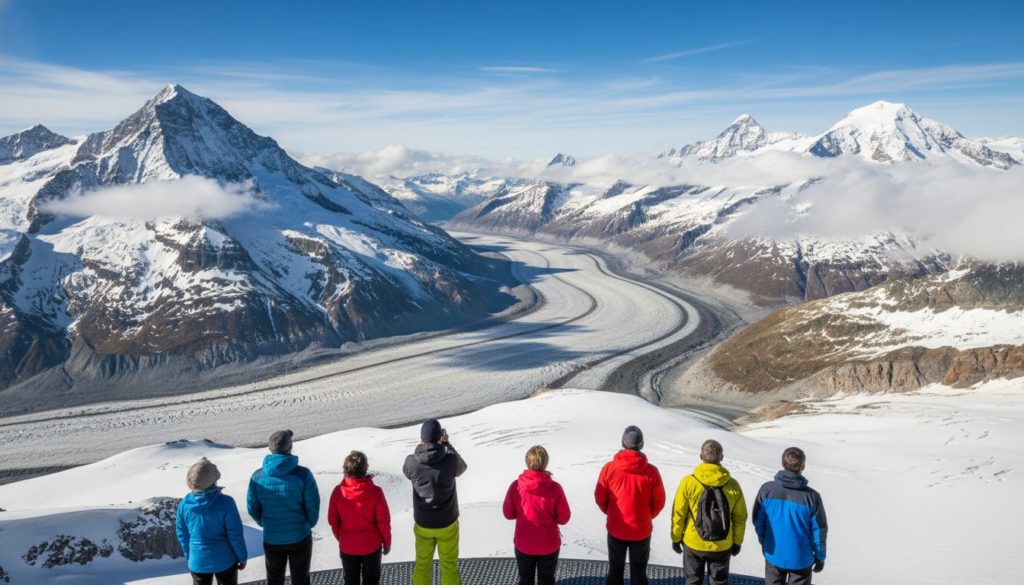
The Journey to Europe’s Highest Railway Station
Your adventure begins with the historic Jungfrau Railway, an engineering marvel completed in 1912. This cogwheel train climbs through tunnels carved directly into the Eiger and Mönch mountains. The journey takes approximately 50 minutes from Kleine Scheidegg station, winding through solid rock with occasional stops at viewing windows.
At Eismeer station, the train pauses for five minutes so passengers can glimpse the glacier through carved openings in the mountain. These viewing points showcase the massive ice formations and crevasses below. The railway itself represents one of the most ambitious construction projects in alpine history, taking 16 years to complete.
As you ascend higher, the air becomes thinner and temperatures drop significantly. Even in summer, conditions at Jungfraujoch remain below freezing, so warm clothing is essential. The railway operates year-round, though summer 2026 offers the best weather conditions for clear views and comfortable exploration.
Ticket prices vary depending on the season and departure point, but most visitors find the experience worth every franc. Early morning departures tend to encounter fewer crowds and often provide clearer atmospheric conditions. The journey itself becomes part of the adventure, with breathtaking views unfolding at every tunnel exit.
Ice Palace and Aletsch Glacier Activities
Deep within the glacier lies the Ice Palace, a magical network of tunnels and chambers carved into ancient ice. These glittering corridors showcase intricate ice sculptures created by talented artists. Walking through the palace feels like stepping into a frozen fairy tale, with blue-tinged walls reflecting light in mesmerizing patterns.
The temperature inside remains constant at around -3°C throughout the year. Sculptures range from animals to human figures, all crafted entirely from the surrounding ice. The palace extends approximately 1,000 square meters beneath the glacier surface, offering plenty to explore without feeling cramped.
Outside the Ice Palace, the Aletsch Glacier stretches before you like a frozen river of time. This glacier holds the distinction of being the longest in the Alps, spanning 23 kilometers. The Aletsch Glacier contains approximately 27 billion tons of ice, representing one of Europe’s most significant natural wonders.
Guided glacier walks operate during summer months for those seeking closer encounters with the ice. These supervised excursions provide safety equipment and expert knowledge about glacier formation and movement. Photography opportunities abound, with the stark white landscape creating dramatic contrasts against blue skies.
Breathtaking Views from Sphinx Observatory
The Sphinx Observatory stands as the crown jewel of Jungfraujoch, perched at 3,571 meters above sea level. An elevator whisks visitors up to the observation deck in less than a minute. Once there, 360-degree panoramic windows reveal stunning views of mountain peaks, valleys, and the glacier far below.
On clear days, you can see across four countries from this vantage point. The Matterhorn rises in the distance to the south, while the Vosges Mountains in France appear on the western horizon. The observation deck features telescopes for detailed viewing of distant summits and glacier features.
Weather conditions change rapidly at this altitude, so patience often rewards visitors with unexpected clear moments. Morning hours typically offer the best visibility before afternoon clouds develop. The contrast between the pristine white glacier and the dark rock faces of surrounding mountain peaks creates unforgettable visual drama.
Summer temperatures at the observatory rarely exceed 0°C, making warm layers absolutely necessary. Indoor viewing areas provide respite from the wind while maintaining excellent sight lines. Information panels identify visible peaks and explain the geological forces that shaped this dramatic landscape.
Alpine Sensation Experience
The Alpine Sensation takes visitors on an interactive journey through the history of Jungfraujoch and its railway. This multimedia exhibition occupies a 250-meter tunnel connecting different areas of the complex. Lighting effects and historical photographs bring the construction story to life in engaging ways.
You’ll learn about the workers who blasted through solid rock with primitive tools and determination. The exhibition includes artifacts from the construction period and personal stories from the engineers who made this ambitious project possible. Sound effects recreate the drilling and blasting that carved the railway tunnel through the mountains.
Interactive displays explain the unique challenges of building at extreme altitudes. Visitors discover how supplies were transported, how workers survived harsh conditions, and why this railway captured worldwide attention. The Alpine Sensation provides context that deepens appreciation for the remarkable achievement Jungfraujoch represents.
The exhibition concludes in the main complex where restaurants, shops, and additional viewing platforms await. Allow at least three to four hours to fully experience everything Jungfraujoch offers. This timing includes the railway journey, Ice Palace exploration, observatory visits, and the Alpine Sensation walkthrough.
| Jungfraujoch Feature | Altitude | Duration | Best Time to Visit |
|---|---|---|---|
| Railway Journey | From 2,061m to 3,454m | 50 minutes each way | Early morning (7-9 AM) |
| Ice Palace | 3,454m inside glacier | 30-45 minutes | Anytime during visit |
| Sphinx Observatory | 3,571m | 30-60 minutes | Morning for clear views |
| Alpine Sensation | 3,454m underground | 20-30 minutes | During crowded periods |
Altitude sickness affects some visitors at Jungfraujoch, though most people experience only mild symptoms. Stay hydrated, move slowly, and avoid alcohol before and during your visit. If you feel dizzy or develop a headache, descending to lower elevations quickly resolves these issues.
The Top of Europe attracts visitors year-round, but summer 2026 promises ideal conditions for this bucket-list adventure. Clear skies, accessible pathways, and extended daylight hours make warm months particularly rewarding. Whether you’re captivated by glaciers, mountain peaks, or engineering history, Jungfraujoch delivers memories that last a lifetime.
Adventure Sports in Interlaken and Beyond
Nestled between Lake Thun and Lake Brienz, Interlaken transforms summer visitors into thrill-seekers with its incredible array of interlaken adventure sports. This charming Swiss town serves as the gateway to some of Europe’s most spectacular adrenaline activities. From soaring above mountain peaks to racing down Alpine slopes, the region offers experiences that satisfy every adventure lover’s dreams.
The surrounding Bernese Alps create a natural playground where mountains meet lakes. This unique geography makes Interlaken the perfect base for exploring diverse outdoor activities. Whether you crave high-altitude thrills or water-based adventures, you’ll find options that suit your comfort level and experience.
Paragliding Over the Bernese Alps
Imagine floating through the air with nothing but a canopy above you and breathtaking Swiss scenery below. Paragliding ranks among the most popular adventure sports in Interlaken, offering an unforgettable perspective of the region. During a tandem flight, you’ll be securely harnessed to a certified instructor who handles all the technical aspects while you soak in the views.
The experience typically begins at launch sites around Beatenberg or Harder Kulm. Your pilot will provide a brief safety orientation before takeoff. Once airborne, you’ll glide peacefully above emerald valleys, turquoise lakes, and the iconic peaks of Eiger, Mönch, and Jungfrau.
Flights usually last between 10 to 30 minutes, depending on weather conditions and the package you choose. Most operators in Interlaken have decades of experience and maintain strict safety standards. When selecting a provider, look for companies with certified instructors, comprehensive insurance, and positive customer reviews.
The best time for paragliding is typically from May through September when thermal conditions are most favorable. Morning flights often provide smoother air currents, while afternoon sessions can offer more dynamic flying experiences. No previous experience is necessary, and the minimum age is usually around 6 years old.
Summer Toboggan Runs and Alpine Coasters
For family-friendly thrills that don’t require extreme courage, summer toboggan runs deliver excitement with a side of spectacular scenery. These tracks wind down mountainsides, allowing you to control your speed as you navigate curves and straightaways. Alpine coasters take the concept further with modern cart systems that feature safety brakes and enhanced track designs.
The Pfingstegg toboggan run near Grindelwald stretches over 700 meters through alpine meadows and forests. You’ll reach speeds up to 40 kilometers per hour while enjoying views of the surrounding peaks. The ride combines adrenaline with accessibility, making it perfect for visitors aged 3 and up.
Many summer toboggan facilities operate throughout the warmer months and require minimal physical fitness. You simply hop on a sled or coaster cart and use a simple braking system to manage your descent. Some locations offer multiple runs, so you can ride as many times as your schedule allows.
Canyoning and White Water Rafting
Switzerland’s mountain streams and rivers create ideal conditions for water-based adrenaline activities. Canyoning combines hiking, climbing, sliding, and jumping as you navigate through narrow gorges carved by rushing water. The experience puts you in direct contact with nature’s raw power.
Popular canyoning locations near Interlaken include the Saxeten and Grimsel regions. Professional guides equip you with wetsuits, helmets, and harnesses before leading you through a series of natural obstacles. You’ll rappel down waterfalls, slide through smooth rock chutes, and leap into crystal-clear pools.
White water rafting offers a different kind of thrill as your team paddles through rapids on rivers like the Lütschine or Simme. The difficulty levels range from Class II to Class IV, accommodating both beginners and experienced rafters. Most trips last 2 to 4 hours and include safety briefings and all necessary equipment.
Both activities require reasonable fitness levels and the ability to swim. The minimum age varies by operator and difficulty level but typically ranges from 12 to 16 years old. Summer months provide the best water temperatures, though wetsuits keep you comfortable even in alpine streams.
Outdoor Activities on Lake Thun and Lake Brienz
The twin lakes flanking Interlaken offer calmer outdoor activities that still deliver memorable experiences. These pristine alpine waters glow with distinctive turquoise hues created by glacial sediment. The lakes provide perfect settings for both relaxation and gentle adventure.
Lake Thun stretches to the west with charming lakeside villages dotting its shores. The water temperature reaches comfortable levels during July and August, making it ideal for swimming. Lake Brienz to the east features even more dramatic coloring and a wilder, more secluded atmosphere.
Stand-Up Paddleboarding
Stand-up paddleboarding has exploded in popularity across Switzerland’s lakes, and both Lake Thun and Lake Brienz offer excellent conditions for beginners and experienced paddlers alike. The calm morning waters provide mirror-like surfaces that make balancing easier while reflecting the surrounding mountains.
Several rental shops in Interlaken, Thun, and Brienz provide SUP boards along with basic instruction. Prices typically range from 25 to 40 Swiss francs for a half-day rental. Many operators also offer guided tours that take you to hidden coves and scenic viewpoints accessible only by water.
The best spots for beginners include the shallow bays near Bönigen on Lake Brienz and the protected areas around Spiez on Lake Thun. These locations feature minimal boat traffic and gentle conditions. There’s something magical about standing on your board while mountains rise dramatically around you.
Boat Ride and Swimming Spots
Traditional passenger boats cruise both lakes throughout the summer, offering a relaxing way to experience the scenery. These historic vessels stop at various villages, allowing you to create custom itineraries. A boat ride from Interlaken to Brienz takes about 70 minutes and passes waterfalls cascading directly into the lake.
For swimming enthusiasts, several excellent spots provide safe access to the water. The Strandbad Neuhaus on Lake Thun features maintained beaches, diving platforms, and facilities. On Lake Brienz, the areas near Iseltwald and Oberried offer more natural swimming environments with grassy shores.
Water temperatures peak in late July and August, reaching 18 to 22 degrees Celsius. While refreshing rather than warm, the clear alpine water provides an invigorating experience after hiking or biking. Many swimming areas include amenities like changing rooms, snack bars, and picnic areas.
| Activity Type | Difficulty Level | Age Minimum | Season Availability | Average Duration |
|---|---|---|---|---|
| Paragliding | Beginner Friendly | 6 years | May – September | 10-30 minutes |
| Summer Toboggan | Easy | 3 years | May – October | 5-10 minutes per run |
| Canyoning | Moderate to Advanced | 12-16 years | June – September | 2-4 hours |
| White Water Rafting | Beginner to Advanced | 12-14 years | May – September | 2-4 hours |
| Stand-Up Paddleboarding | Beginner Friendly | 8 years | May – October | 1-3 hours |
Planning your adventure activities requires considering weather conditions, personal fitness levels, and booking availability. Popular experiences like paragliding often fill up weeks in advance during peak summer months. Reserve your spots early, especially if you’re visiting in July or August when demand peaks.
Most adventure providers in the region offer online booking systems with instant confirmation. They also maintain flexible cancellation policies for weather-related issues. Safety always comes first, and reputable operators will postpone or modify activities if conditions aren’t ideal.
Scenic Railway Journeys and Cable Car Rides
Discover the romance of Swiss rail travel as cogwheel trains, cable cars, and panoramic express routes carry you through landscapes that seem almost too beautiful to be real. Switzerland has earned its reputation for creating the world’s most spectacular mountain transportation experiences. These journeys combine engineering excellence with natural beauty, turning every trip into a memorable adventure.
The Swiss have mastered the art of showcasing their stunning Alpine scenery from the comfort of specially designed trains and cable cars. Whether you’re climbing steep mountain slopes or gliding through valleys, each journey offers unique perspectives on Switzerland’s dramatic terrain.
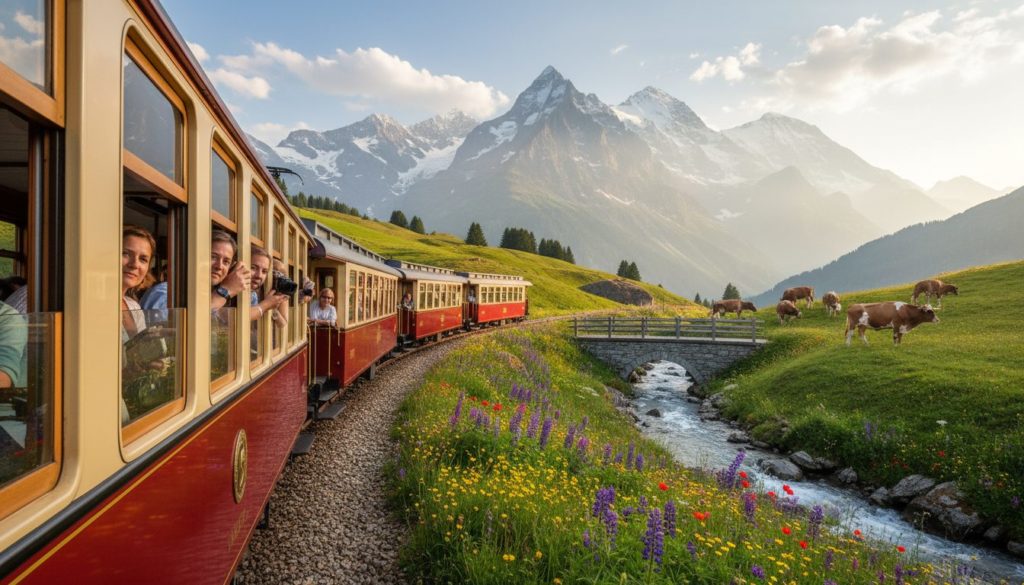
Climbing to Alpine Heights on the Gornergrat Railway
The Gornergrat Railway stands as one of Europe’s highest open-air cogwheel railways, climbing from Zermatt to an elevation of 10,135 feet. This scenic mountain train has been transporting visitors since 1898, offering unobstructed views throughout the 33-minute journey. The railway operates year-round, making it accessible for summer travelers seeking mountain peaks without extensive hiking.
Your ascent reveals increasingly dramatic vistas as the train climbs through Alpine meadows and past glacial formations. The summit station provides breathtaking panoramic views of the Matterhorn, along with 28 other mountain peaks exceeding 13,000 feet. Early morning departures offer the best lighting for photography, with golden sunlight illuminating the Matterhorn’s distinctive pyramid shape.
Book your tickets online in advance during peak summer months to secure seats on the right side of the train for optimal Matterhorn viewing. The journey costs approximately 90 CHF for a round-trip ticket, with Swiss Travel Pass holders receiving discounts.
The Legendary Glacier Express Experience
Often called the world’s slowest express train, the Glacier Express connects Zermatt and St. Moritz through an eight-hour journey across the heart of the Swiss Alps. This panoramic train travels through 91 tunnels and across 291 bridges, including the spectacular Landwasser Viaduct. Large panoramic windows extend into the ceiling, ensuring passengers miss nothing of the stunning Alpine scenery.
The route traverses three mountain passes and eight valleys, showcasing diverse landscapes from glacial terrain to lush meadows. A highlight includes crossing the Oberalp Pass at 6,670 feet, the highest point of the journey. Onboard dining service allows you to enjoy Swiss specialties while watching the scenery unfold.
Reserve your seats several weeks ahead for summer 2026 travel, especially for window positions. First-class tickets include meal service and offer slightly larger seats, while second-class provides excellent views at a lower price point.
Soaring to Schilthorn and Piz Gloria
The cable car journey to Schilthorn takes you from the valley floor to 9,744 feet in under 30 minutes, passing through four stations with progressively more dramatic views. The summit station houses Piz Gloria, a revolving restaurant that gained fame as a filming location for the James Bond movie “On Her Majesty’s Secret Service.” The restaurant completes a full rotation every 45 minutes, offering 360-degree views of over 200 mountain peaks.
This cable car experience combines cinematic history with natural beauty. The interactive Bond World exhibition at the summit lets you explore behind-the-scenes movie moments while enjoying stunning views of the Eiger, Mönch, and Jungfrau peaks.
Plan your visit for clear weather days to maximize visibility. Morning departures typically encounter fewer crowds, and combination tickets including the Thrill Walk suspended cliff walkway offer better value.
Golden Pass Line: Lakes and Mountains
The Golden Pass Line creates a memorable journey from Montreux on Lake Geneva to Lake Lucerne, connecting two of Switzerland’s most beautiful regions. This scenic route passes through three distinct landscapes: vineyard-covered lakeshores, traditional Alpine villages, and mountain passes. The journey takes approximately five hours with train changes at Zweisimmen and Interlaken.
The panoramic coaches feature extra-large windows and VIP front-row seats that place you directly behind the driver for an unobstructed forward view. As you travel from French-speaking Switzerland to German-speaking regions, you’ll notice cultural shifts reflected in architecture and local customs.
Book the GoldenPass Belle Époque train for the Montreux to Zweisimmen segment to experience restored vintage carriages with elegant 1920s styling. Summer wildflowers along the route create stunning foreground interest for photography enthusiasts.
Ascending on the Jungfrau Railway
The Jungfrau Railway represents one of Switzerland’s most ambitious engineering achievements, tunneling through the Eiger and Mönch mountains to reach Europe’s highest railway station at 11,332 feet. Beyond being transportation to Jungfraujoch, the cogwheel train journey itself provides unforgettable experiences with two brief stops inside the mountain.
During the 50-minute ascent from Kleine Scheidegg, the train pauses at Eigerwand and Eismeer stations, where passengers can step out to viewing platforms carved into the mountain. These stops offer unique perspectives through massive windows overlooking glacier landscapes and vertical rock faces.
The journey showcases remarkable Swiss engineering that began construction in 1896 and took 16 years to complete. Workers carved the 4.4-mile tunnel largely by hand, creating one of the world’s most impressive mountain railways.
| Railway Journey | Duration | Maximum Elevation | Best Time to Visit | Approximate Cost |
|---|---|---|---|---|
| Gornergrat Railway | 33 minutes | 10,135 feet | Early morning for photography | 90 CHF round-trip |
| Glacier Express | 8 hours | 6,670 feet | June-September for clear views | 280 CHF with reservation |
| Schilthorn Cable Car | 30 minutes | 9,744 feet | Morning for fewer crowds | 115 CHF round-trip |
| Golden Pass Line | 5 hours | 4,429 feet | Late spring for wildflowers | Covered by Swiss Travel Pass |
| Jungfrau Railway | 50 minutes | 11,332 feet | Mid-morning arrival at summit | 235 CHF round-trip from Interlaken |
Each of these scenic railway journeys offers a distinct way to experience Switzerland’s mountain landscapes. The combination of engineering marvels and natural beauty creates transportation experiences that become highlights of any Swiss vacation. Whether you choose the cogwheel trains climbing to glacial viewpoints or panoramic routes connecting lakeside cities, these journeys prove that getting there truly can be half the adventure.
Swiss Mountain Biking Routes
Pedaling through Switzerland’s diverse terrain reveals a network of mountain biking routes designed for every skill level and adventure preference. The country’s commitment to outdoor activities shines through in its meticulously maintained trail systems that span rolling plateaus, dramatic alpine peaks, and serene lakeside paths. Whether you’re seeking heart-pounding descents or leisurely family rides, Switzerland delivers cycling experiences that combine stunning scenery with exceptional infrastructure.
Summer 2026 brings fresh opportunities to explore these trails with improved signage, expanded bike rental facilities, and new route connections. The variety of terrain means you can customize your mountain biking adventure to match your fitness level and time constraints. Each region offers distinct characteristics that make exploring multiple areas worthwhile during your visit.
Swiss Plateau Trail Networks
The Swiss Plateau presents an ideal introduction to mountain biking in Switzerland, with trails that wind through gentle countryside without the extreme elevation changes found in higher alpine regions. These intermediate-level routes traverse traditional farming villages, pristine forests, and open meadows bursting with wildflowers. The terrain here offers consistent challenges without overwhelming beginners or those looking for a more relaxed cycling experience.
Popular plateau trails typically range from 15 to 40 kilometers, with elevation gains between 200 and 600 meters. The well-marked paths connect charming villages where you can stop for refreshments and experience authentic Swiss culture. Many routes feature scenic viewpoints where the distant Alps create a stunning backdrop for your ride.
Bike rental shops throughout the plateau region offer quality equipment, including e-bikes for those who want assistance on the climbs. Guided tours provide local insights and ensure you don’t miss hidden gems along the way. The plateau’s lower altitudes also mean earlier season access and more predictable weather conditions compared to high mountain routes.
Alpine Downhill Tracks in Grindelwald and Verbier
For adrenaline seekers, the alpine downhill tracks in Grindelwald and Verbier deliver thrilling gravity-fueled descents through spectacular mountain scenery. These purpose-built bike parks feature lift-accessed trails that eliminate the uphill grind, allowing you to focus entirely on the exhilarating descent. Technical features range from flowing berms and tabletop jumps to challenging rock gardens and steep chutes.
Grindelwald’s bike park offers multiple trails rated from intermediate to expert level. The trails descend through alpine meadows with jaw-dropping views of the Eiger North Face. Verbier’s network includes some of Switzerland’s most renowned downhill tracks, with vertical drops exceeding 1,000 meters on certain routes.
Both destinations provide comprehensive rental services for downhill-specific bikes and protective gear. Professional instructors offer lessons for riders looking to improve their technical skills. The bike parks typically operate from late June through early September, with exact dates depending on snow conditions and trail maintenance schedules.
| Bike Park | Trail Difficulty Range | Vertical Drop | Special Features |
|---|---|---|---|
| Grindelwald First | Blue to Black (Intermediate to Expert) | Up to 800 meters | Eiger views, flow trails, technical sections |
| Verbier Bike Park | Red to Double Black (Advanced to Extreme) | Up to 1,200 meters | World Cup venue, varied terrain, skill zones |
| Lenzerheide | Green to Black (Beginner to Expert) | Up to 900 meters | Family zones, pump tracks, cross-country links |
Lakeside Cycling Paths Around Lake Lucerne
The lakeside cycling paths around Lake Lucerne offer a completely different mountain biking experience, with flat to gently rolling routes that prioritize scenic beauty over technical challenge. These paths hug the shoreline, providing continuous views of the crystalline water framed by dramatic mountain peaks. The relatively easy terrain makes these routes accessible to riders of all abilities while still delivering memorable Swiss landscapes.
A popular circuit follows the lake’s southern shore from Lucerne to Flüelen, covering approximately 35 kilometers of well-paved path. Along the way, you’ll pass through historic towns like Weggis and Vitznau, where you can pause for lakeside refreshments. The route includes several spots perfect for swimming breaks during warm summer days.
The lakeside paths connect with Switzerland’s extensive national cycling route network, allowing you to extend your ride or create custom loops. Numerous boat docks along the route offer the option to return by ferry, turning your cycling adventure into a multi-modal excursion. E-bike rentals are widely available in Lucerne and surrounding towns, making even longer distances manageable for casual riders.
Family-Friendly Routes in the Jungfrau Region
The Jungfrau region recognizes that mountain biking should be accessible to families, offering specially designed routes that combine manageable distances with engaging features for younger riders. These trails avoid technical challenges and steep climbs while incorporating playgrounds, picnic areas, and interactive nature stations that keep children entertained. The focus is on creating positive outdoor experiences that build confidence and appreciation for cycling.
The Grindelwald valley floor features several family circuits ranging from 5 to 12 kilometers, with minimal elevation gain and smooth surfaces suitable for children’s bikes. These routes pass farms where kids can observe cows, goats, and sheep grazing in alpine pastures. Rest stops include themed playgrounds with mountain-inspired equipment and covered picnic shelters.
Equipment rental shops in Interlaken, Grindelwald, and Lauterbrunnen stock child-sized mountain bikes, bike trailers, and tag-along attachments for younger children. Many family routes are also e-bike friendly, allowing parents to keep pace with energetic kids without exhaustion. The region’s bike-friendly accommodations often provide secure storage and basic maintenance tools.
Trail markers use color-coded systems and pictograms that help children understand route difficulty and distances. Digital apps provide interactive maps showing real-time location and nearby points of interest. The combination of safe trails, proper equipment, and engaging features makes the Jungfrau region an excellent choice for introducing families to Swiss mountain biking adventures.
Montreux Summer Events and Swiss Festivals
Beyond its natural wonders, Switzerland hosts some of Europe’s most exciting cultural events during summer, creating unforgettable experiences for travelers seeking more than scenic views. The warm months bring the country to life with spectacular celebrations that showcase both international talent and local traditions. From lakeside jazz performances to mountain cycling competitions, these gatherings offer authentic connections to Swiss culture and communities.
Summer 2026 promises an exceptional lineup of festivals and events across the country. Whether you’re drawn to world-class music, thrilling sports competitions, or charming village celebrations, you’ll find countless opportunities to experience Switzerland through its vibrant cultural scene. These events provide perfect complements to outdoor adventures, adding depth and variety to your Swiss vacation.
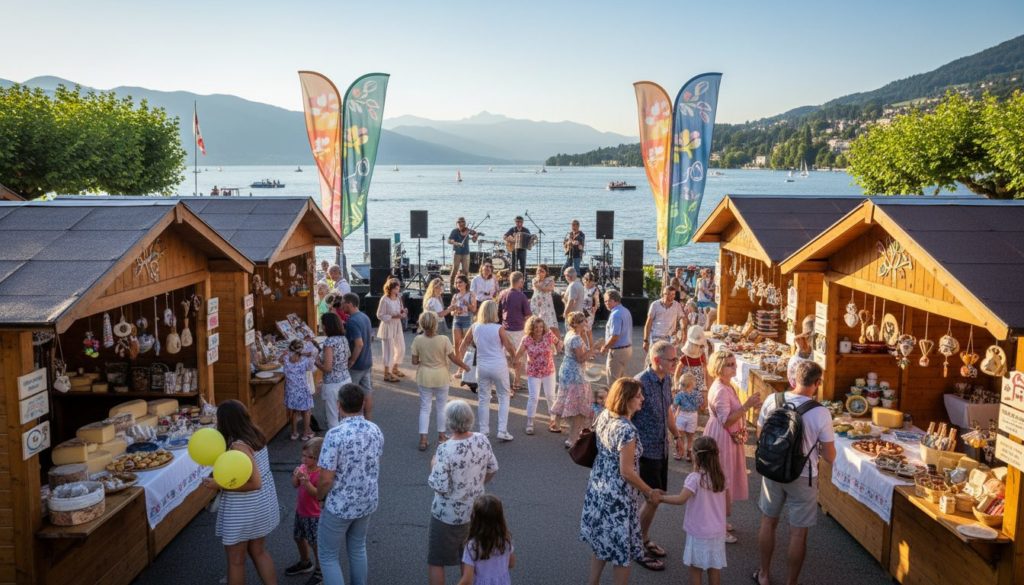
World-Renowned Music Along Lake Geneva
The Montreux Jazz Festival 2026 stands as one of the world’s premier music events, transforming the beautiful lakeside town into a global music capital each July. This legendary jazz festival attracts top international artists across multiple genres, from traditional jazz to rock, pop, and electronic music. The stunning backdrop of Lake Geneva and surrounding Alps creates an unforgettable atmosphere for performances.
The festival typically runs for two weeks in early July, featuring both ticketed concerts in indoor venues and free outdoor performances along the lakefront promenade. Major headliners perform at the Auditorium Stravinski, while emerging artists showcase their talents at smaller venues throughout Montreux. The festival’s unique charm comes from its intimate setting and diverse programming that appeals to music lovers of all ages.
Planning tips for attending the jazz festival include:
- Book accommodations early – Hotels in Montreux fill up months in advance during festival weeks
- Purchase tickets in advance – Popular shows sell out quickly, especially for headline acts
- Explore free concerts – The Music in the Park program offers excellent performances without tickets
- Arrive early – Get the best spots for outdoor concerts and soak in the festival atmosphere
- Combine with sightseeing – Visit nearby Château de Chillon or take scenic railway journeys during the day
The festival creates a magical environment where music, culture, and natural beauty converge. Walking along the flower-lined promenade while live music drifts through the air represents one of the most memorable montreux summer events you’ll experience.
Elite Cycling Through Mountain Passes
The Tour of Switzerland brings world-class professional cycling to the country’s most spectacular routes each June. This prestigious race serves as a crucial warm-up for the Tour de France, attracting elite cyclists who tackle challenging mountain stages and time trials. Spectators can watch these athletes push their limits through dramatic Alpine landscapes completely free of charge.
The multi-stage race winds through diverse terrain, from flat valley routes to brutal mountain climbs with breathtaking gradients. Different stages pass through various regions, allowing fans across the country to catch the action. Popular viewing spots include mountain pass summits where cyclists battle steep inclines, and finish line areas in charming Swiss towns.
What makes this cycling race special is the accessibility for spectators. Unlike many sporting events, you can position yourself along almost any section of the route to cheer on competitors. Mountain passes like the Gotthard, Susten, and Grimsel become natural stadiums where the roar of crowds echoes through valleys as riders approach.
The race typically features eight stages over nine days in mid-June. Each stage showcases different aspects of Switzerland’s geography and culture. Towns hosting stage starts and finishes often organize festivals with local food, entertainment, and cycling exhibitions, creating a celebration beyond just the race itself.
Authentic Heritage in Mountain Communities
Traditional alpine village celebrations offer genuine glimpses into swiss culture that have remained unchanged for generations. These festivals typically occur throughout summer months, with many villages hosting special events to honor local patron saints, harvest traditions, or historical events. The atmosphere feels authentic and welcoming, with locals dressed in traditional costumes and sharing their heritage with visitors.
These celebrations feature several distinctive elements that make them memorable. Folk music performances with alphorns, accordions, and traditional singing echo through mountain valleys. Costume parades showcase beautifully embroidered regional dress that varies significantly between valleys and cantons. Local craftspeople demonstrate traditional skills like wood carving, cheese making, and textile work.
Food plays a central role in these gatherings. You’ll find opportunities to taste authentic fondue prepared in massive communal pots, along with raclette, rösti, and other regional specialties. Local bakeries offer traditional pastries and breads specific to each area. Many festivals include outdoor barbecues featuring locally raised meats and sausages.
Notable village celebrations include:
- Unspunnen Festival in Interlaken (held periodically) – Features stone throwing, Swiss wrestling, and yodeling competitions
- Alpabzug (cattle descent) celebrations in various villages – Marks the return of decorated cows from summer pastures
- National Day celebrations on August 1st – Villages across the country host bonfires, fireworks, and community gatherings
- Traditional cheese festivals – Celebrate dairy heritage with tastings and demonstrations
Summer Stages and Musical Celebrations
Switzerland hosts numerous open-air concerts and cultural events throughout the summer season, ranging from classical performances in historic settings to contemporary music festivals in urban centers. These events transform everything from medieval castle courtyards to lakeside parks into temporary performance venues. The variety ensures every musical taste finds satisfaction somewhere in the country.
Classical music enthusiasts can enjoy prestigious festivals like the Lucerne Festival, which presents world-renowned orchestras and soloists in stunning concert halls and outdoor venues. The Verbier Festival attracts top classical musicians to a charming Alpine resort, creating an intimate atmosphere for chamber music and orchestral performances. These festivals often include educational programs and open rehearsals that provide deeper musical experiences.
Contemporary music festivals cater to younger audiences and diverse genres. Paléo Festival near Geneva ranks among Europe’s largest open-air music festivals, featuring international rock, pop, and alternative acts. Zürich hosts numerous outdoor concerts in parks and along the lakefront throughout summer. Smaller towns organize their own music weeks, often focusing on specific genres like blues, rock, or electronic music.
Planning your visit around these cultural events in switzerland 2026 adds another dimension to your trip. Many festivals offer multi-day passes that provide better value than single-day tickets. Combining festival attendance with nearby outdoor activities creates balanced itineraries. For example, you might hike in the morning, then enjoy evening concerts, fully immersing yourself in both natural and cultural aspects of Switzerland.
The switzerland 2026 cultural calendar continues expanding, with new festivals and events added regularly. Local tourism offices provide detailed schedules and can help coordinate accommodations during popular festivals. Whether you’re drawn to jazz, classical music, traditional folk performances, or contemporary concerts, the summer season offers countless opportunities to experience switzerland through its rich artistic heritage.
Discovering Swiss Cities and Historic Old Towns
Beyond the mountains and lakes, Swiss cities provide a captivating mix of history, culture, and urban summer activities. These metropolitan destinations showcase Switzerland’s architectural heritage while offering modern attractions perfect for warm-weather exploration. From lakeside swimming spots to medieval town squares, the country’s major cities deliver unforgettable experiences that complement your alpine adventures.
Each city has its own distinct character and charm. You’ll find Renaissance fountains, Gothic cathedrals, and contemporary art museums all within walking distance. The compact nature of Swiss cities makes them ideal for summer strolling, with pedestrian zones and cafe-lined streets creating a relaxed atmosphere.
Zurich: Urban Summer Attractions
Zurich blends cosmopolitan energy with natural beauty, making it Switzerland’s most dynamic summer destination. The city sits at the northern tip of Lake Zurich, surrounded by green hills and connected by the Limmat River. Summer brings outdoor dining, waterfront festivals, and a vibrant street life that transforms the city into an open-air playground.
The city offers something for everyone—from luxury shopping to affordable street food markets. You can explore world-class museums in the morning and swim in crystal-clear lake water by afternoon. Zurich’s efficient public transportation makes getting around effortless, even during peak summer tourist season.
Swimming in Lake Zurich
Lake Zurich transforms into a summer recreation paradise with numerous public swimming areas. Strandbad Mythenquai ranks as one of the most popular lakeside beaches, featuring groomed lawns, changing facilities, and stunning Alpine views. The water temperature reaches a comfortable 68-72°F during July and August.
Many locals prefer the lidos—unique Swiss bathing facilities built on wooden platforms extending into the lake. Seebad Enge and Strandbad Tiefenbrunnen offer a more authentic Zurich experience. These spots get crowded on weekends, so arrive early to secure a good sunbathing location.
You’ll find beach volleyball courts, diving platforms, and waterslide facilities at several locations. Most swimming areas charge a small entrance fee of 6-8 Swiss francs. Remember to bring your own towel and sunscreen, as these items can be expensive at kiosk shops.
Exploring the Old Town and Shopping District
Zurich’s old town spreads across both sides of the Limmat River, featuring narrow medieval lanes and beautifully preserved guild houses. Start at Grossmünster, the twin-towered church that dominates the skyline, then wander through Niederdorf, the historic quarter filled with boutiques and traditional restaurants. The architecture tells stories dating back to the 13th century.
Bahnhofstrasse ranks among the world’s most exclusive shopping streets. This mile-long boulevard connects the main train station to Lake Zurich, lined with luxury brands, department stores, and Swiss watch boutiques. Even window shopping here feels special, with elaborate store displays and elegant architecture.
Don’t miss the opportunity to sample Swiss chocolate at traditional chocolatiers like Sprüngli or Teuscher. These establishments have been crafting premium confections for generations. The pralines and truffles make perfect gifts or personal treats after a day of urban exploration.
Bern: The Swiss Capital
Bern serves as Switzerland’s federal capital and offers a remarkably well-preserved medieval center. The city sits on a peninsula formed by the Aare River, creating a natural fortress that protected inhabitants for centuries. This unique geography gives Bern its distinctive horseshoe shape and provides stunning riverside walks.
The Swiss capital moves at a more relaxed pace than Zurich, with a small-town atmosphere despite its political importance. Summer brings outdoor markets to the arcaded streets, while locals gather at riverside restaurants for evening drinks. The city’s six kilometers of covered arcades make shopping pleasant even on rainy summer days.
Clock Tower (Zytglogge) and UNESCO World Heritage Old Town
The Clock Tower, known locally as Zytglogge, has been marking time since 1530. This astronomical clock performs an enchanting mechanical show every hour, with rotating figurines and chiming bells. The tower once served as Bern’s western city gate before the town expanded beyond its medieval walls.
Bern’s UNESCO World Heritage designation recognizes its exceptional medieval urban planning. The old town features distinctive sandstone buildings with arcaded walkways that stretch for miles. These covered passages date from the 15th century and now house shops, cafes, and galleries.
Eleven decorative fountains punctuate the UNESCO World Heritage site, each topped with colorful painted figures. The Kindlifresserbrunnen (Child Eater Fountain) draws the most attention with its controversial statue. Take a guided walking tour to learn the fascinating stories behind these Renaissance-era monuments.
Swimming in the Aare River
Swimming in the Aare River represents a beloved Bernese summer tradition. Locals jump into the turquoise glacial water and float downstream with the current, creating a unique urban river-swimming culture. The water flows swiftly but remains relatively safe for experienced swimmers during summer months.
Popular entry points include Eichholz and Marzili, where facilities provide changing rooms and riverside cafes. The Aare water temperature stays refreshingly cool at around 64°F, even in peak summer. Strong swimmers can float from the Eichholz lido all the way to Marzilibad, a journey of about twenty minutes.
Safety remains important—always swim with others and never attempt this activity after consuming alcohol. The current can reach speeds of 3-4 meters per second. Waterproof bags called “Wickelfische” help keep your belongings dry during the float, and you can purchase these colorful sacks at sporting goods stores throughout the city.
Lucerne: Chapel Bridge and Lake Lucerne
Lucerne combines natural beauty with rich history, positioned where the Reuss River flows out of Lake Lucerne. Medieval towers still guard the old town, while painted facades create a storybook atmosphere. The city serves as a gateway to central Switzerland and Mount Pilatus, making it an ideal base for summer exploration.
The iconic Chapel Bridge spans the Reuss River as Switzerland’s oldest covered wooden bridge. Built in 1333, this structure features triangular paintings depicting Swiss history and patron saints. Though fire destroyed much of the original bridge in 1993, careful restoration preserved its historic character and significance.
Summer evenings bring special magic to Lucerne’s waterfront. Street musicians perform along the promenade while swan boats glide across the lake. The nearby Lion Monument and Glacier Garden add cultural depth to your visit, both within easy walking distance of the city center.
Boat Trip on Lake Lucerne
A boat trip on Lake Lucerne offers spectacular mountain panoramas and access to remote alpine villages. Historic paddle steamers and modern catamarans crisscross the lake throughout summer months. The journey to Rütli Meadow, Switzerland’s birthplace, takes about ninety minutes and passes dramatic cliff faces and waterfall cascades.
Consider the circular route that stops at Weggis, Vitznau, and Gersau before returning to Lucerne. Each village has its own character and swimming beaches. The Swiss Travel Pass covers most boat rides, making this an economical way to see the region.
Lunch cruises provide onboard dining with regional specialties and white wine from local vineyards. Sunset departures create romantic atmospheres as the light turns golden across the water. Book these special boat trip experiences in advance during July and August peak season.
Old Town Cobbled Streets
Lucerne’s cobbled streets wind through a car-free historic center filled with painted murals and medieval architecture. Weinmarkt square serves as the heart of the old town, surrounded by buildings featuring intricate frescoes depicting historical and mythological scenes. These painted facades create an open-air art gallery that’s free to enjoy.
Small boutiques sell traditional Swiss crafts, watches, and souvenirs along the narrow lanes. Stop at a terrace restaurant for cheese fondue or raclette, two Swiss classics best enjoyed with mountain views. The pedestrian-only streets make wandering safe and pleasant for families with children.
Don’t miss the charming town of Stein am Rhein, accessible as a day trip from any major city. This medieval gem on the Rhine River features even more elaborate painted building facades. The town square looks like a movie set, with every structure decorated in colorful historical scenes.
Whether you’re diving into urban lake swimming, exploring centuries-old cobbled streets, or indulging in Swiss chocolate at a traditional confectionery, these cities showcase Switzerland’s sophisticated side. Each destination offers air-conditioned museums for hot afternoons and breezy waterfront promenades for evening strolls, creating the perfect balance between cultural discovery and summer relaxation.
Waterfalls and Natural Wonders
Switzerland’s waterfalls and natural wonders showcase the raw power of alpine beauty. These scenic treasures remain spectacular even in summer when snowmelt feeds the cascades throughout the Swiss Alps.
The Rhine Falls stands as Europe’s largest waterfall by volume. You can take boat rides to feel the spray up close or explore viewing platforms on both banks. The journey to the rock formation in the middle offers breathtaking views you won’t forget.
Lauterbrunnen Valley earns its nickname as the “Valley of 72 Waterfalls” with good reason. Staubbach Falls plunges nearly 300 meters from sheer cliffs in a stunning display. The valley floor provides easy access to multiple waterfalls within walking distance.
Other destinations in switzerland feature glacial gorges and unique rock formations shaped over thousands of years. The Swiss Alps hide countless natural wonders waiting for your discovery.
Early morning light creates the best conditions for photography at these alpine waterfalls. Spring and early summer bring the most powerful flows as mountain snow melts.
Accessible trails and viewing platforms welcome visitors of all fitness levels. Many sites offer parking nearby and clear signage in English.
These natural wonders capture everything that makes Switzerland special. Pack your camera and prepare for landscapes that will stay with you long after you return home.